

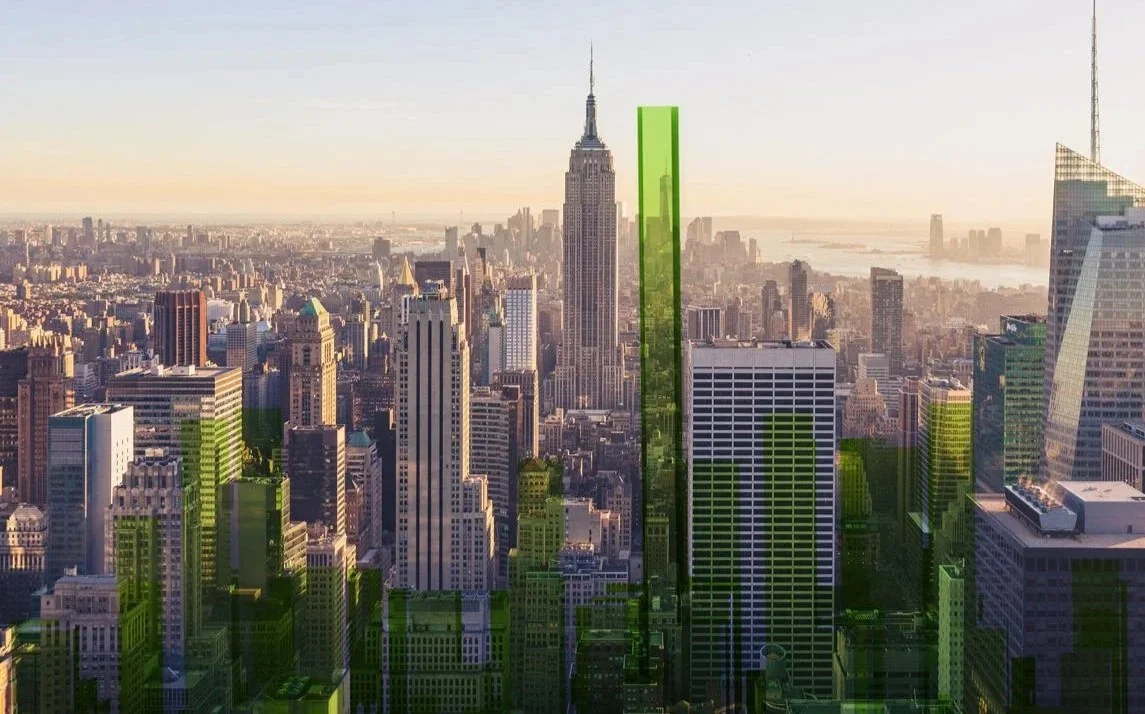
Wellness Real Estate
The New Luxury Is How You Feel at Home
In New York City the definition of luxury is undergoing a quiet but profound transformation. It’s no longer just about square footage, skyline views, or designer finishes. Today, the most compelling question in real estate is simpler, and far more human: how does your home make you feel?
This is the premise behind Wellness Real Estate, an emerging movement reshaping the built environment through the lens of health, sustainability, and long-term resilience. At the forefront of this shift is a thoughtful initiative developed by Fortunato Productions in collaboration with Columbia University GSAPP (Graduate School of Architecture, Planning and Preservation—a project that brings both clarity and urgency to the future of urban living.
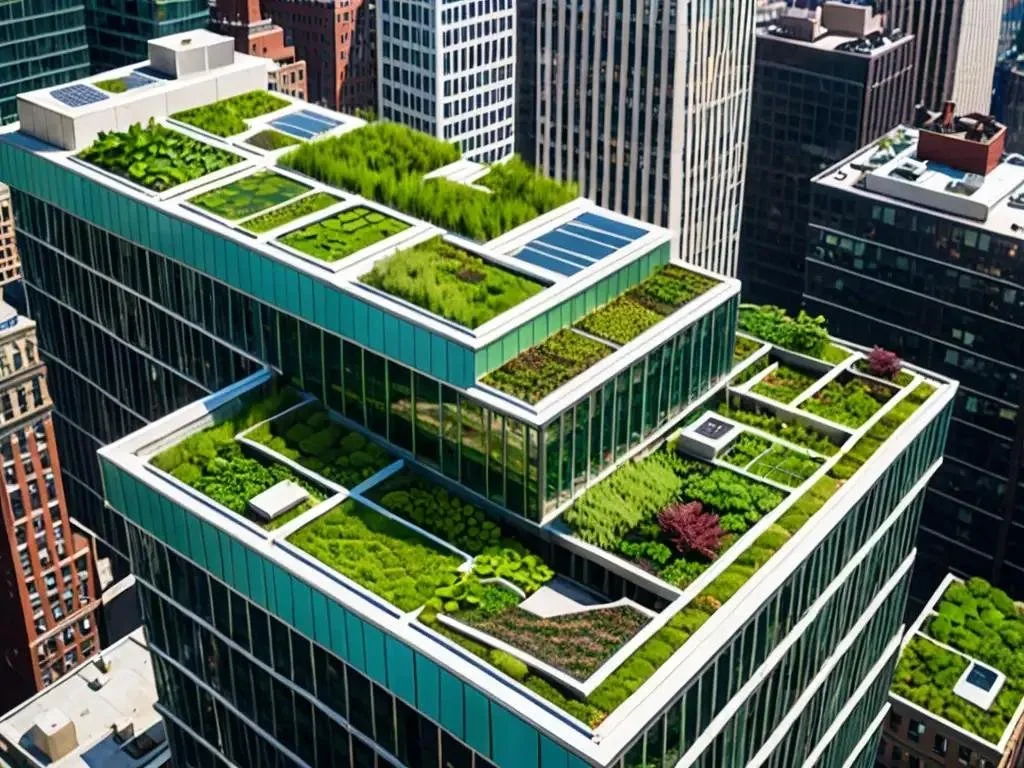
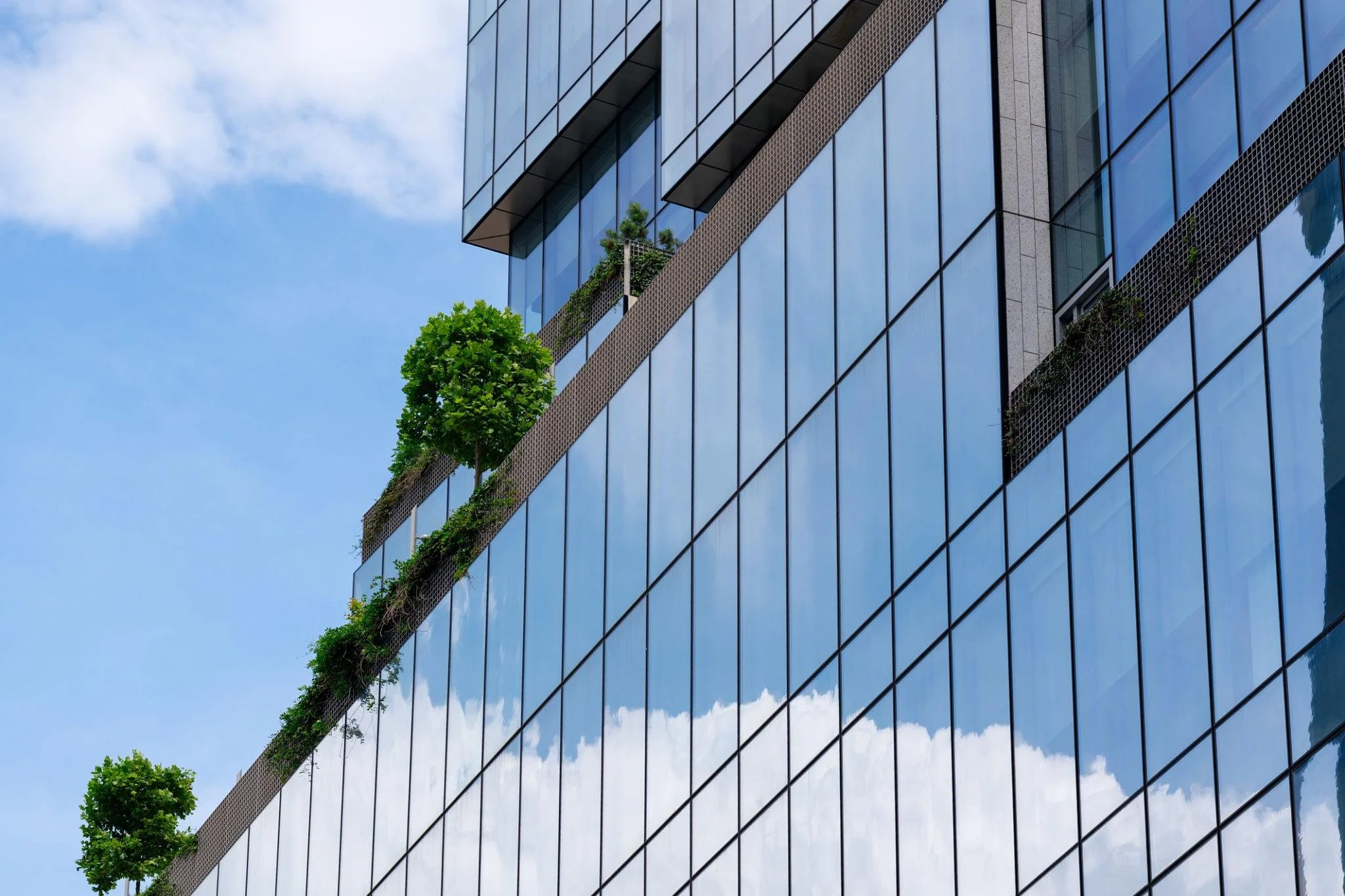
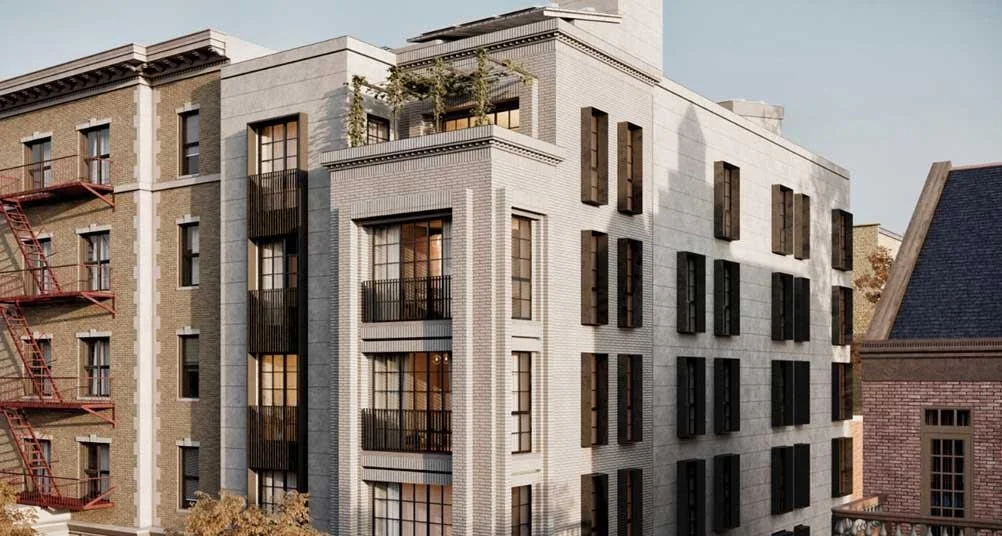
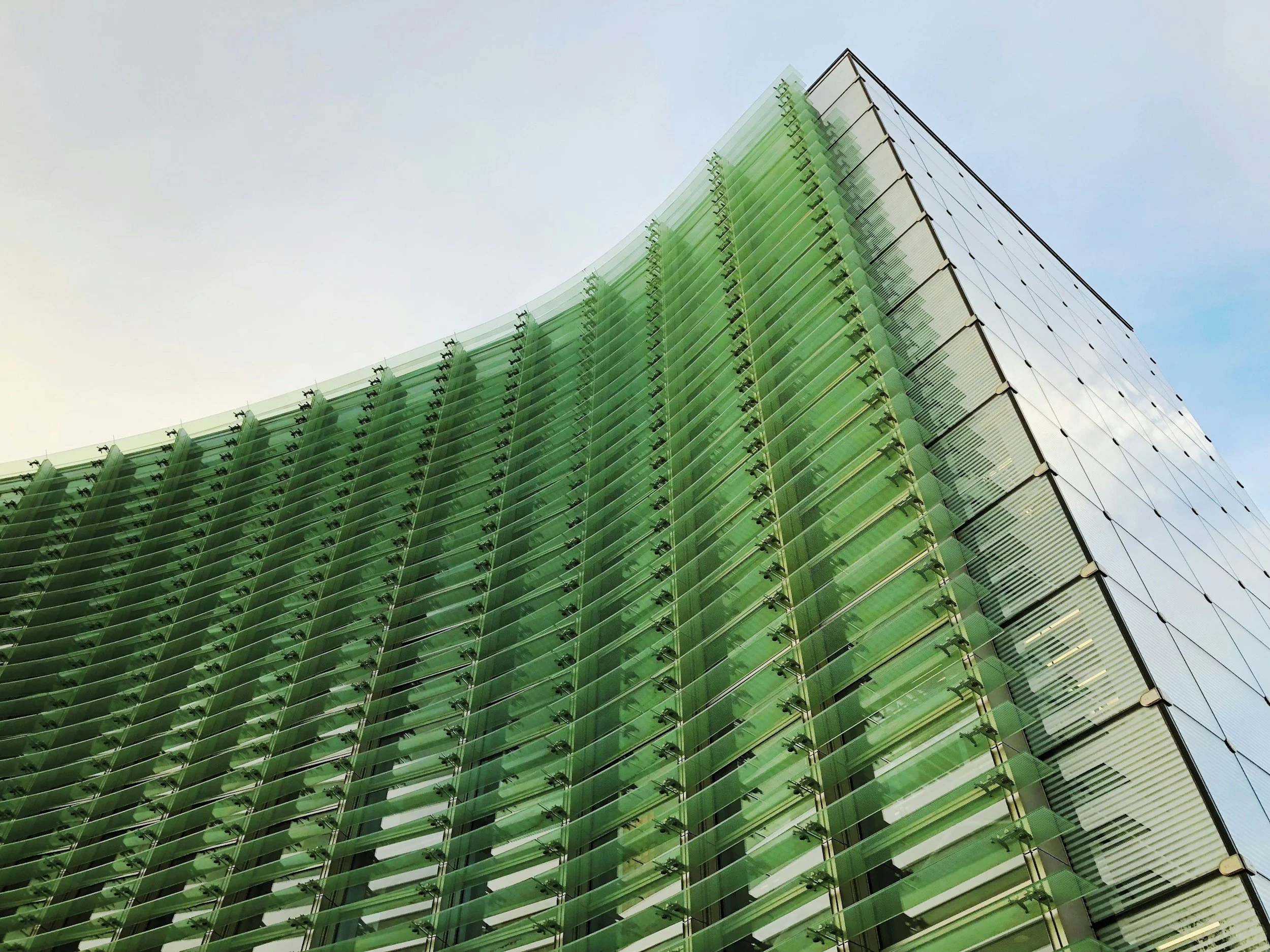
A Map of a Healthier City
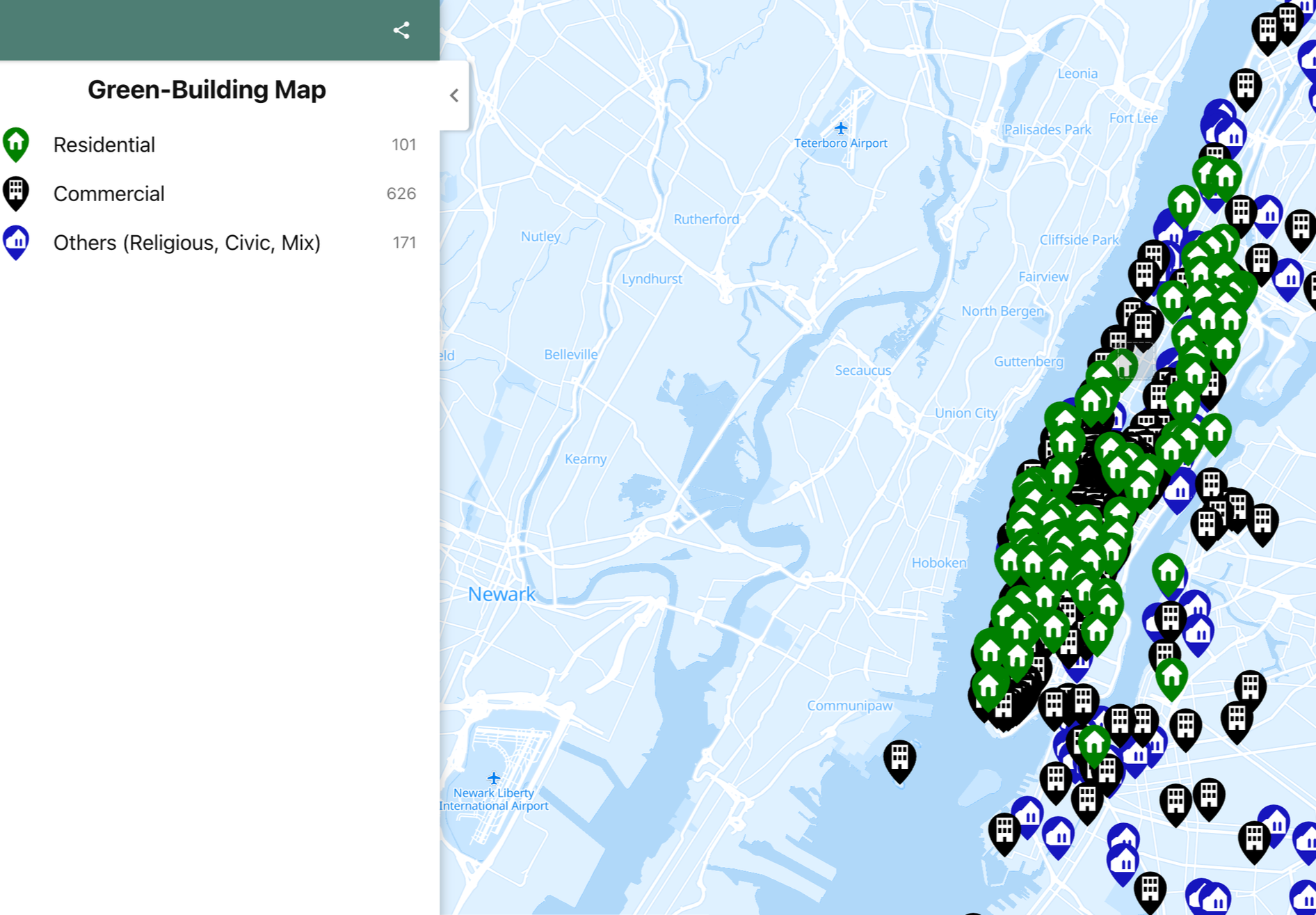
At the heart of the initiative is the Green Building Map, a digital intelligence tool that charts nearly 900 sustainable and green-certified buildings across New York City. Though not yet publicly available, the map represents a powerful idea: that data can guide better living.
More than a directory, it’s a new kind of compass for buyers, developers, and investors—one that points toward buildings designed not just to stand the test of time, but to actively improve the lives within them.
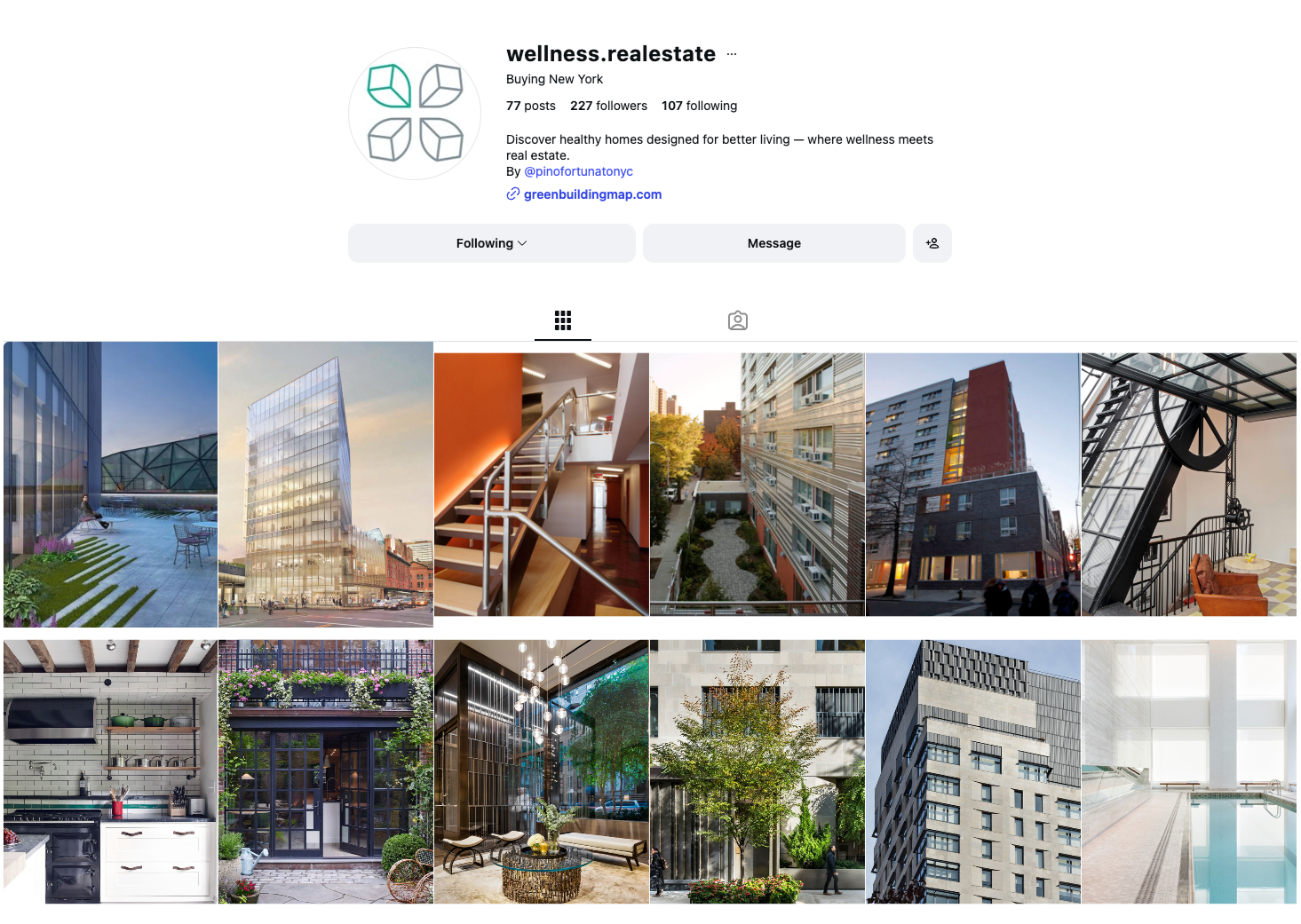
This effort is complemented by a curated Instagram showcase focused on industry advocacy, positioning wellness not as a niche feature, but as a new baseline.
Beyond Sustainability: The Rise of the Healthy Home
For years, sustainability in real estate has been framed around energy efficiency and environmental responsibility. While these remain essential, today’s buyers—particularly a climate-conscious Millennial generation—are raising the bar. They are seeking homes that don’t just reduce harm, but actively promote well-being.
Enter the concept of the Healthy Home.
This new paradigm integrates a series of design and technological principles:
Green Certification & Future-Proofing
Buildings meeting standards like LEED, Passive House, or WELL are no longer aspirational—they are strategic. As cities move toward mandatory decarbonization, these certifications shield owners from rising energy costs and potential emissions penalties.Low-Toxicity Interiors
From zero-VOC paints to non-toxic adhesives and materials, interiors are being reimagined to eliminate harmful off-gassing—quietly improving air quality and long-term health.Wellness Amenities as Infrastructure
Saltwater pools, saunas, cold plunges, meditation gardens, and advanced fitness centers are evolving from luxuries into essentials—supporting recovery, resilience, and daily performance.Air & Water Purity
Hospital-grade HEPA filtration systems and multi-stage water purification are redefining what “clean living” truly means in an urban context.Circadian Lighting & Acoustic Design
Natural light is being harnessed to regulate sleep cycles, while sound-dampening materials create sanctuaries within the city’s constant motion.Touchless, High-Tech Living
Voice-activated systems, motion-controlled doors, and keyless entry reduce physical contact while enhancing convenience—an evolution accelerated by recent global health awareness.Regenerative Materials
Surfaces are no longer passive—they are antimicrobial, sustainable, and designed to be both durable and health-supportive.Energy Intelligence
Smart systems and high-performance building envelopes address the realities of modern living, particularly as homes double as workplaces.Holistic Resource Management
The home becomes an ecosystem—where materials, water, and waste are considered as part of a circular, regenerative cycle.
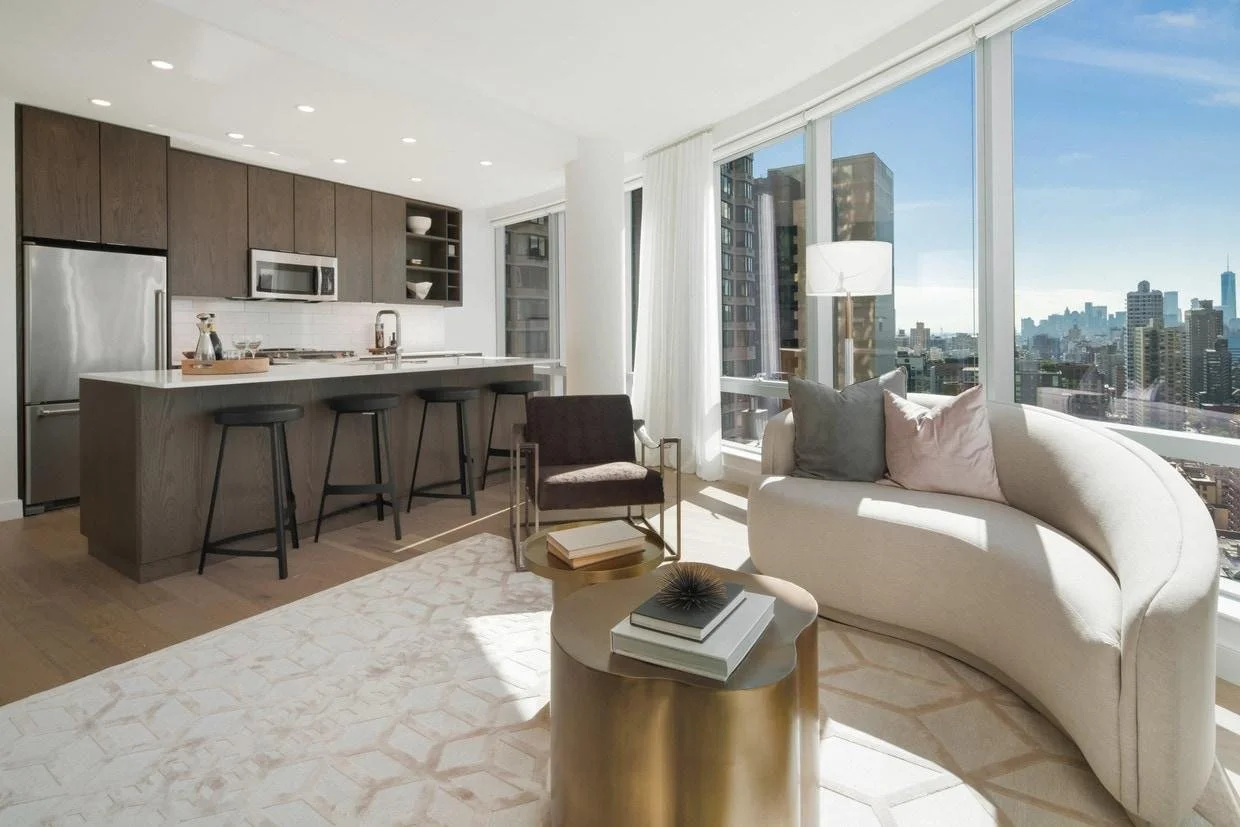
A Cultural Shift, Not a Trend
What makes Wellness Real Estate compelling is not just its feature set, but its philosophy. It reflects a broader cultural shift—one where health, environmental responsibility, and design excellence are no longer separate conversations.
In this context, the home becomes more than a place to live. It becomes a tool for living well.
And in a city like New York, where the external environment is often intense and unpredictable, the internal environment has never mattered more.
The Green Building Map, and the thinking behind it, signals a future where real estate is measured not only by location or price—but by its capacity to sustain, restore, and elevate the human experience.
Because in the end, the most valuable property isn’t just where you live.
It’s how you live there.
Links
Follow the Movement: Wellness Real Estate