

Chance Encounter
100 Red Chairs Serendipity: A Story of Chance Encounters
“In the world of urban design, we often speak of master plans and blueprints—fixed ideas for a fixed world. But Chance Encounter was born from a different philosophy: the magic that happens when people, landscapes, and ideas collide by accident. It is a story of how a few "chance" introductions transformed a neglected Roman riverbank in the center of the city into a global stage for community engagement.The project is inspired by William White’s studies in The Social Life of Small Urban Spaces, in which he found that one of the most successful tools in creating vibrant spaces was the use of movable chairs. One of his most memorable findings is that people create ownership of public space by being able to control where and how they sit in the urban environment”.
Robert Hammond, Co-Founder of The High Line, NYC
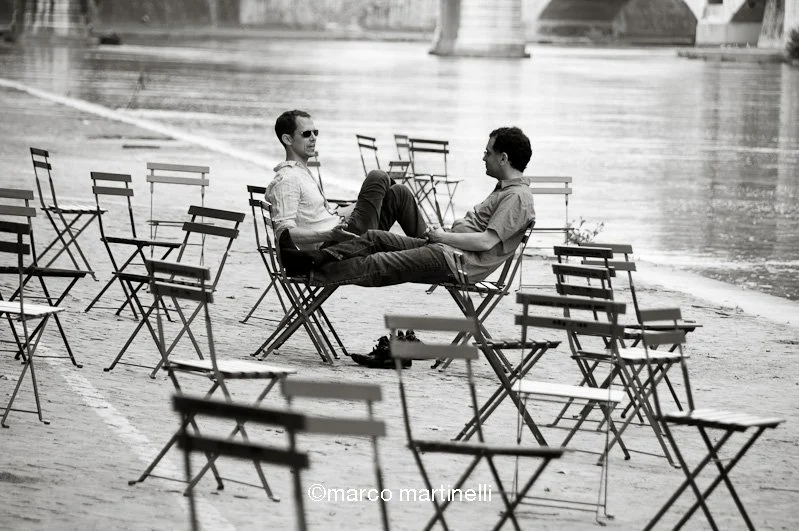
The Spark: An Accidental Partnership
The project didn’t begin in an office or with a board meeting, but through a classic moment of Roman serendipity. Robert Hammond, the visionary co-founder of New York’s High Line, was in the city for a fellowship at the American Academy in Rome. The partnership with Fortunato Productions began with a flat tire on Robert’s rental bike. A mutual friend connected him to Pino Fortunato, who simply handed over his own bicycle. "I'm always on my scooter anyway," Pino shrugged, "keep it while you’re in Rome." That small act of local hospitality became the project’s first true chance encounter—a borrowed bike that paved the way for a global artistic vision. This was the first domino to fall—a meeting of minds that proved the most resilient urban networks are built on shared curiosity and passion.

A living Laboratory
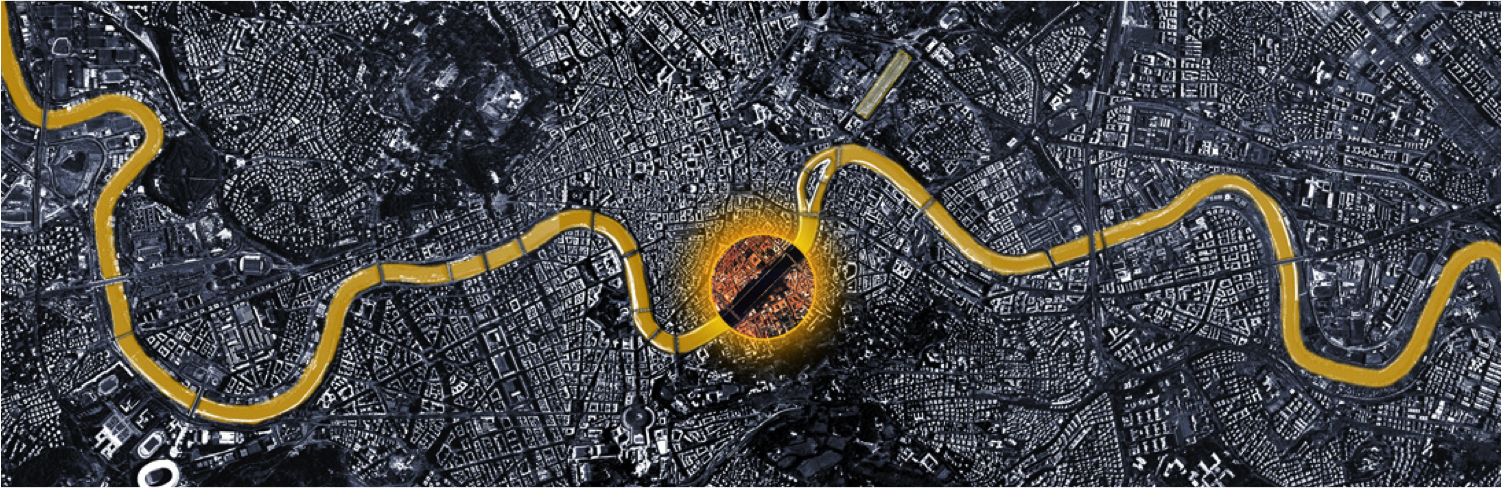
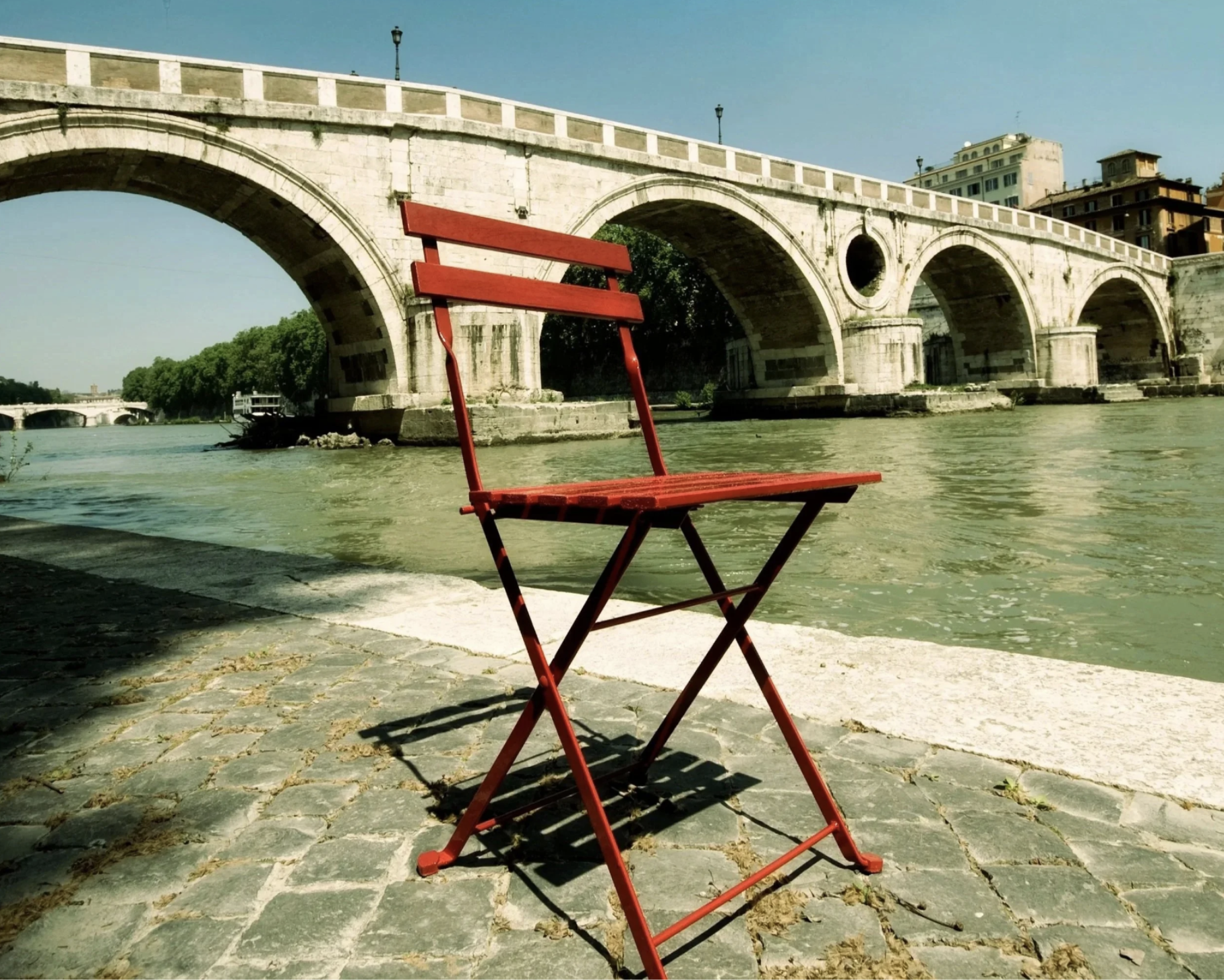
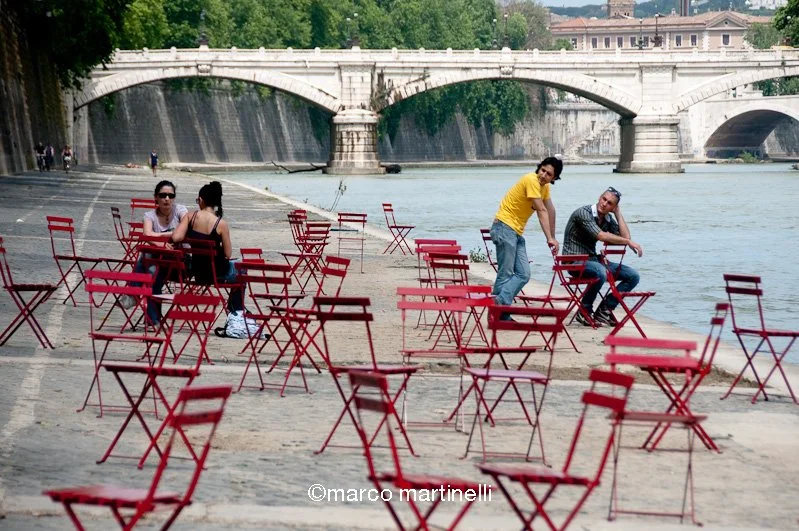
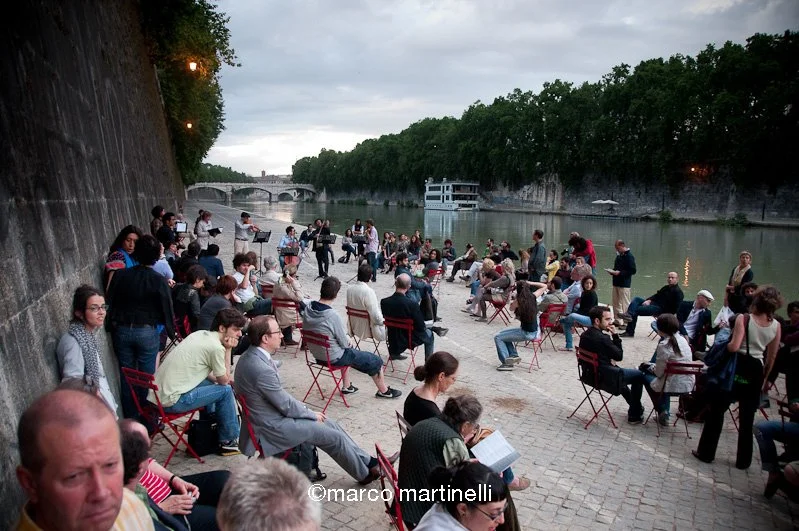
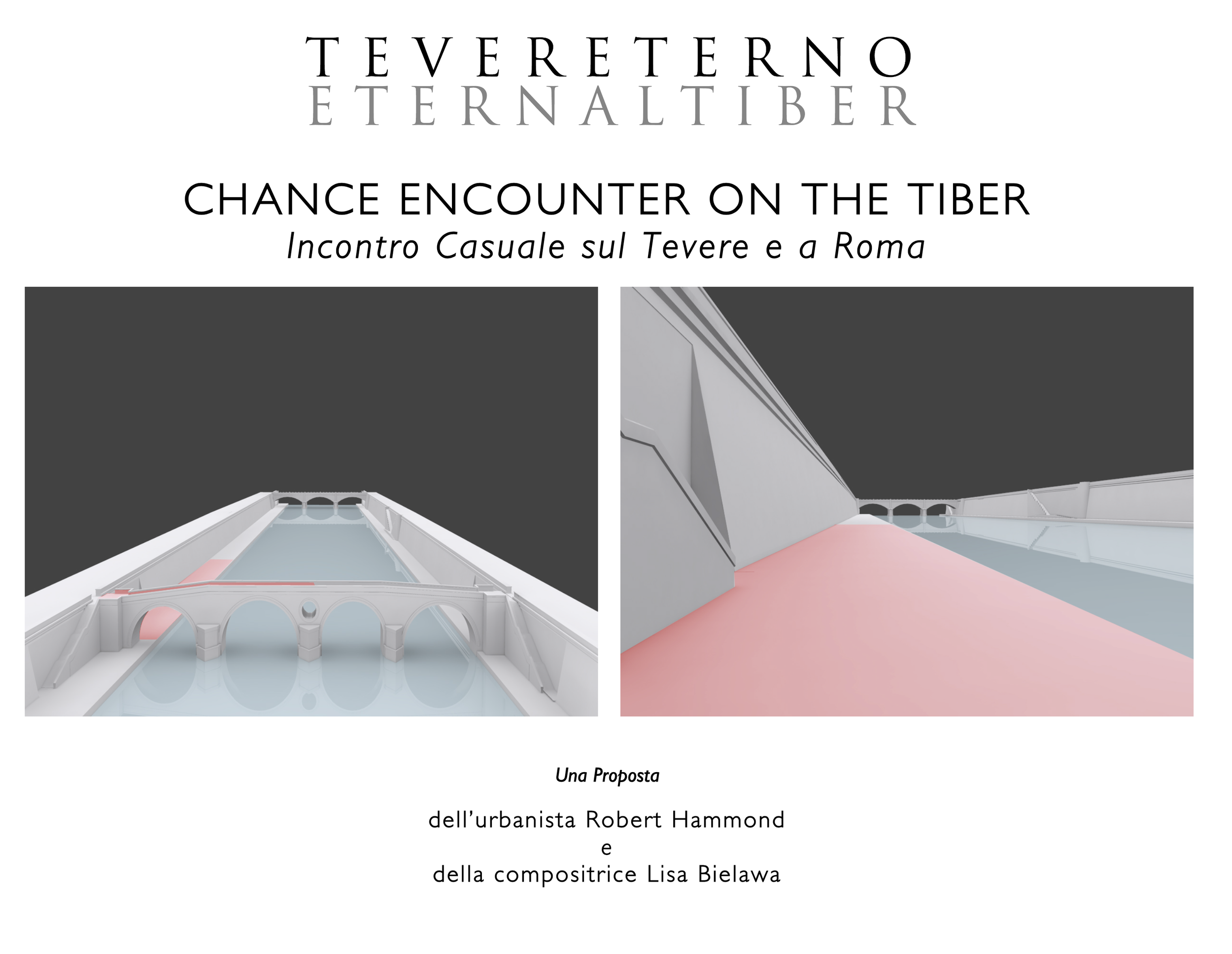
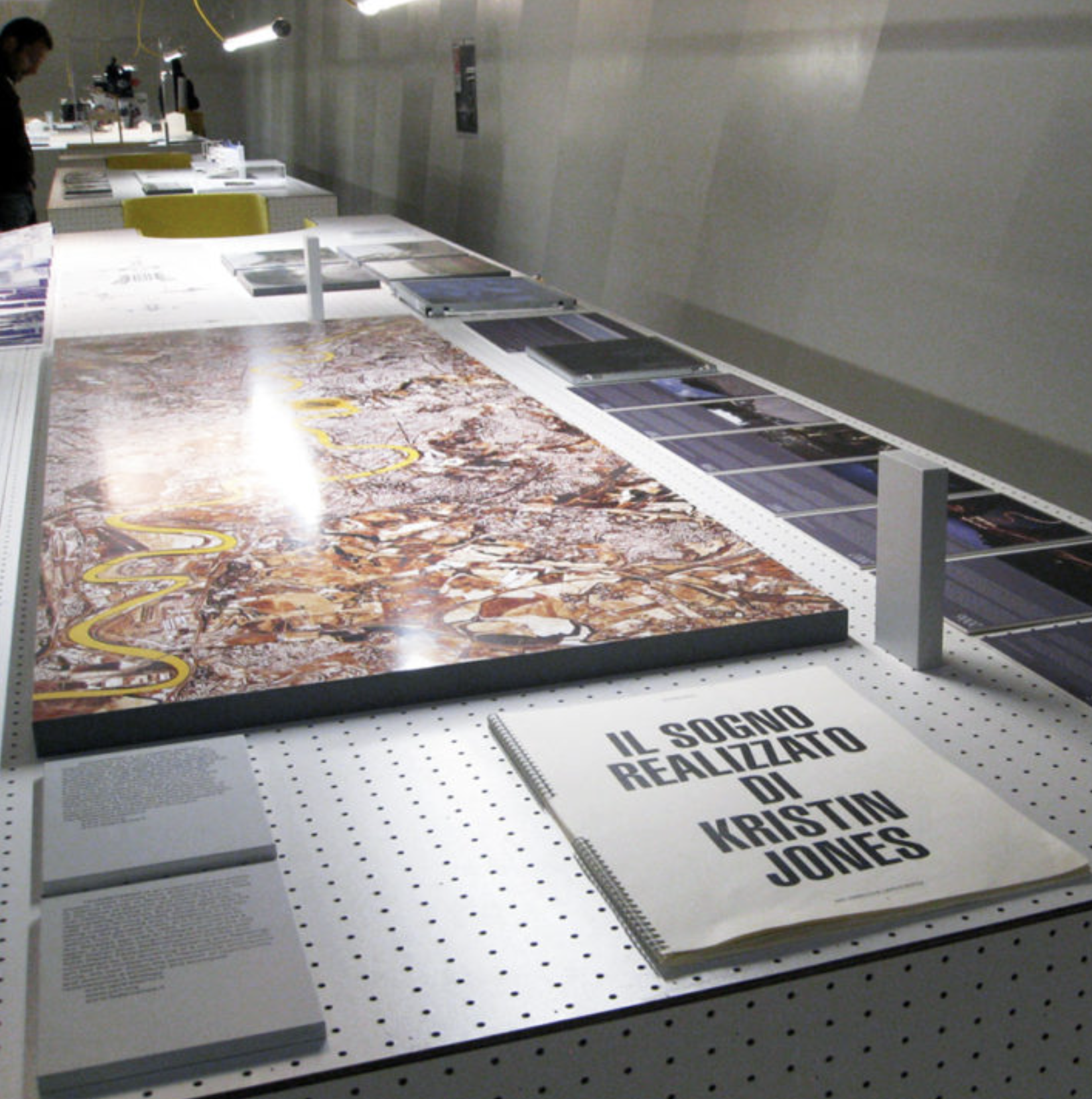
Working alongside Kristin Jones, the founder of the non-profit Tevereterno, Hammond sought to revitalize the forgotten banks of the Tiber. Their mission was to turn the "Piazza Tevere" into a living urban laboratory.
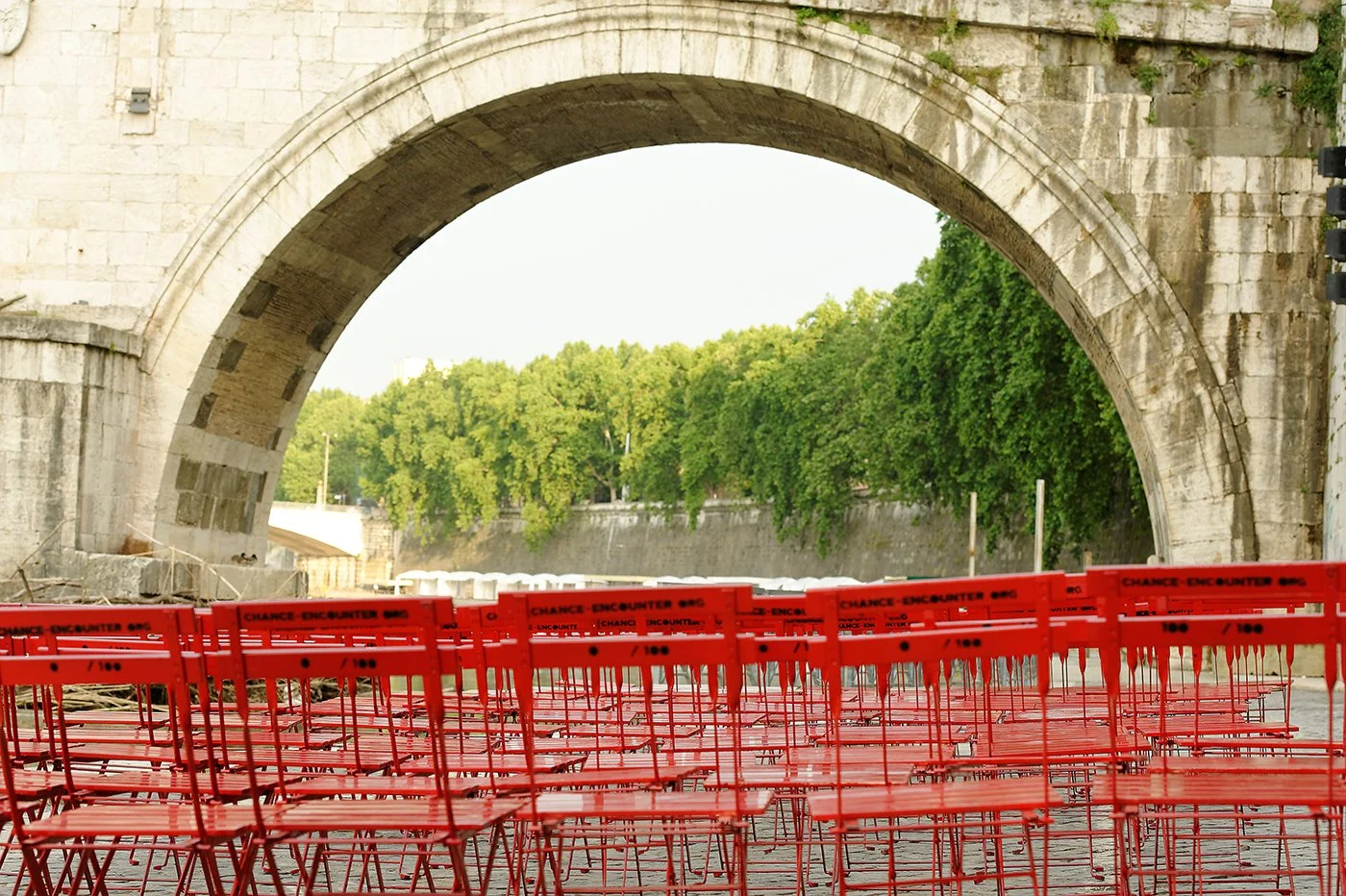
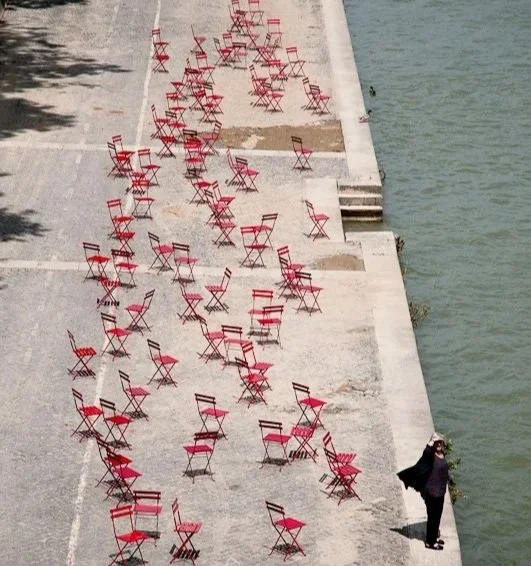
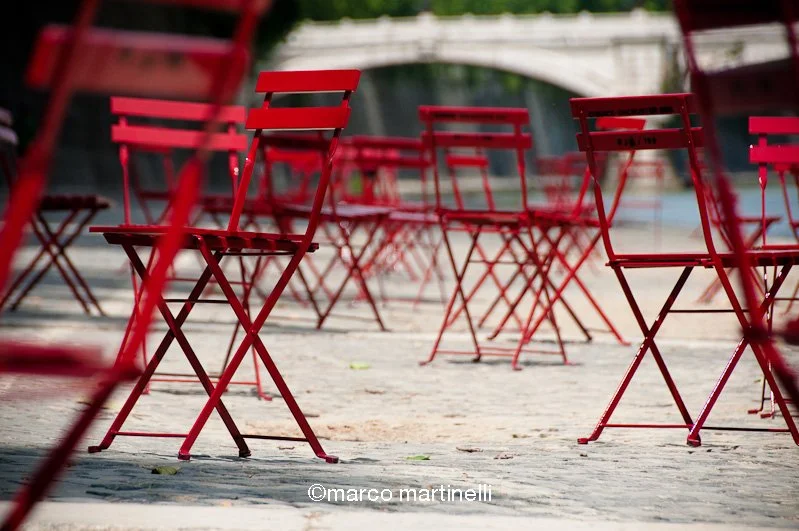
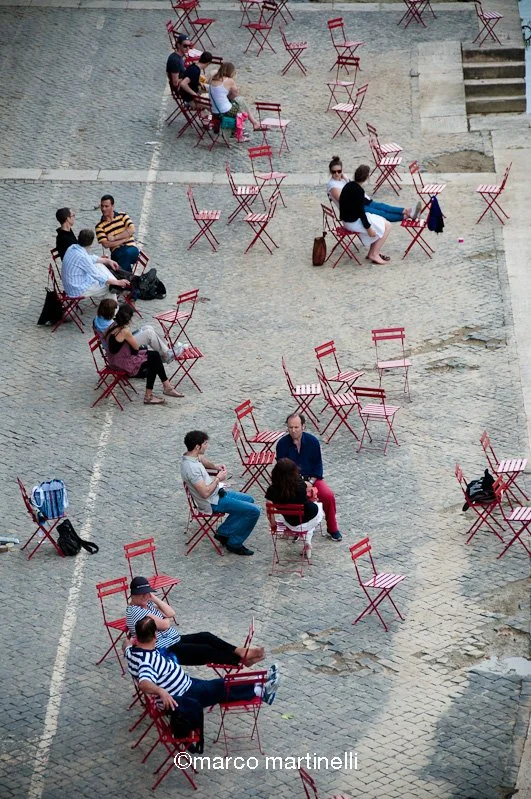
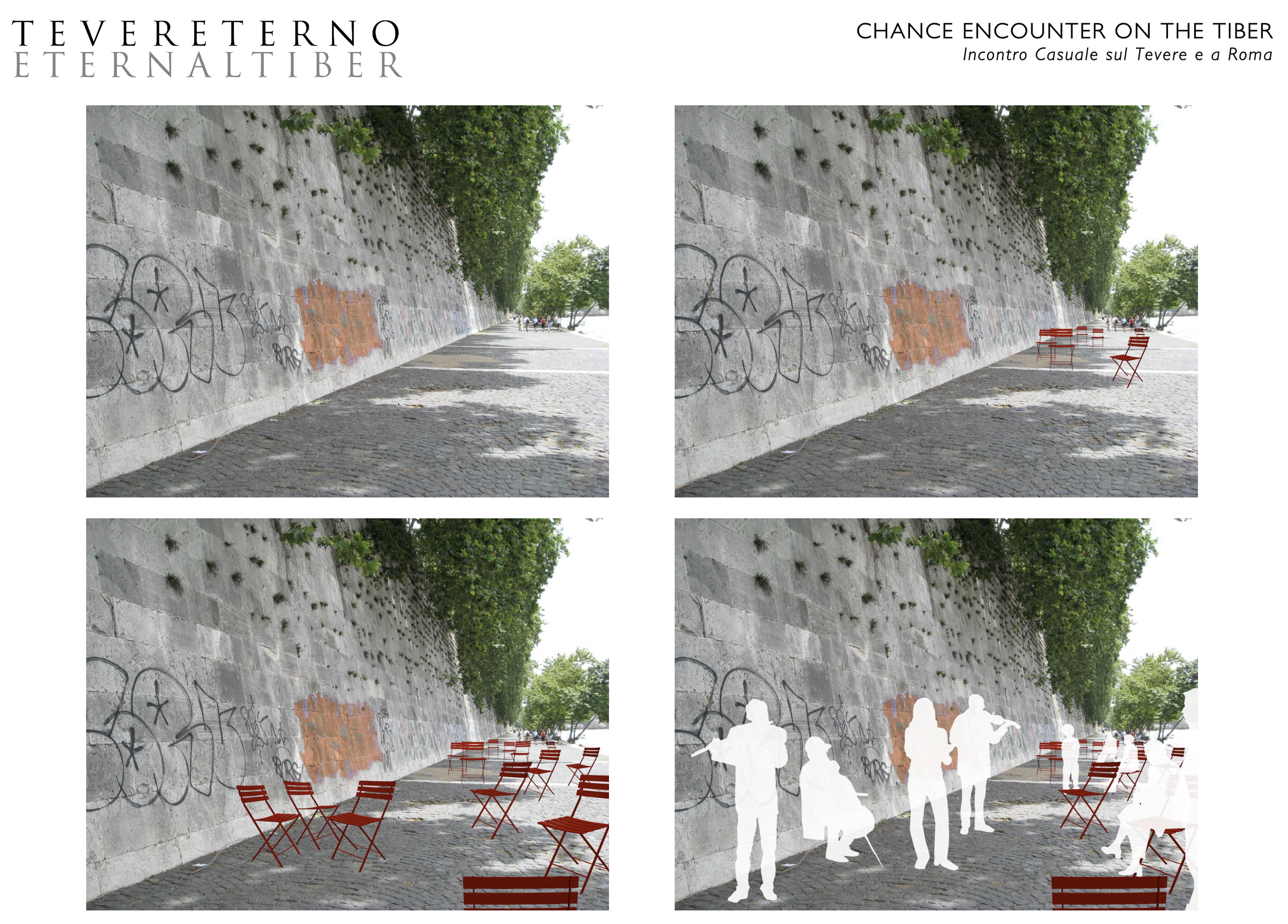
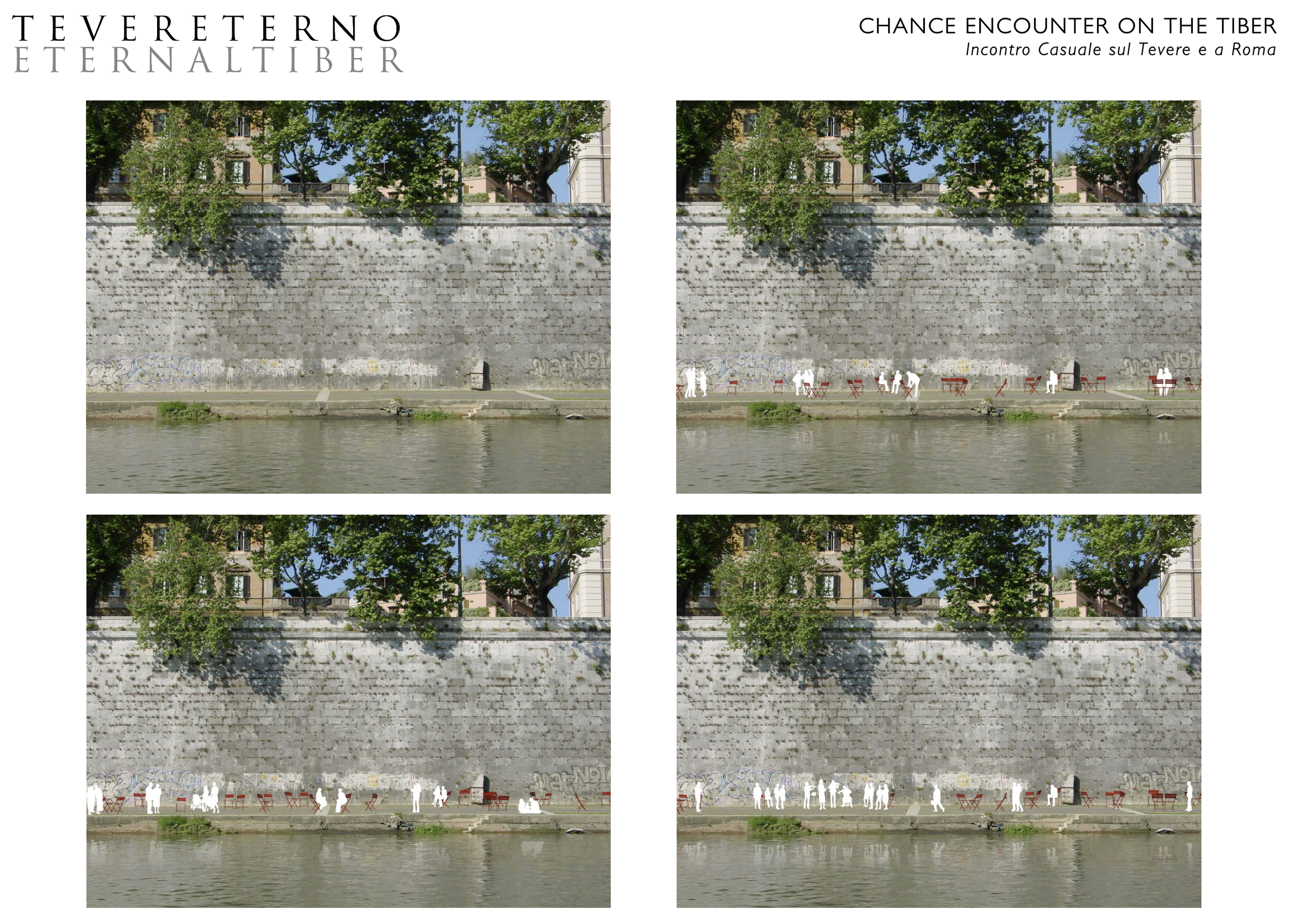
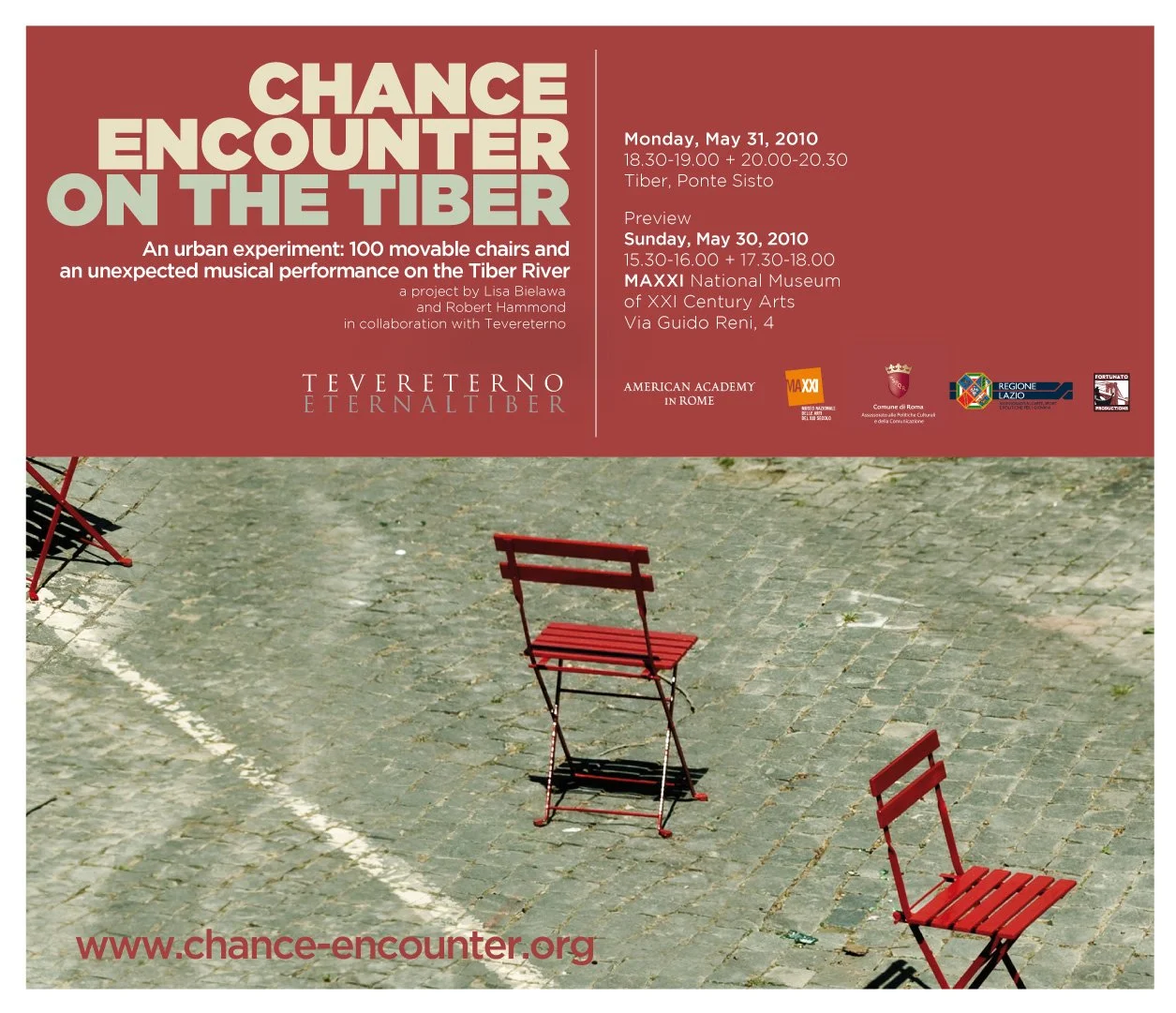
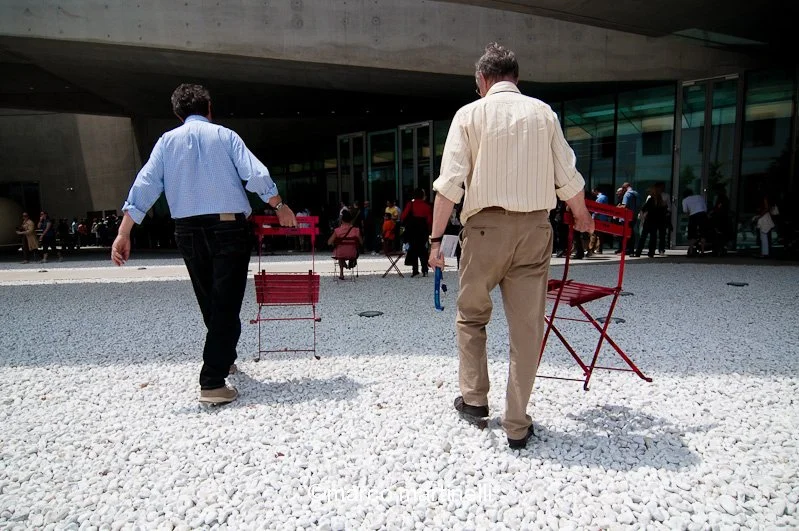
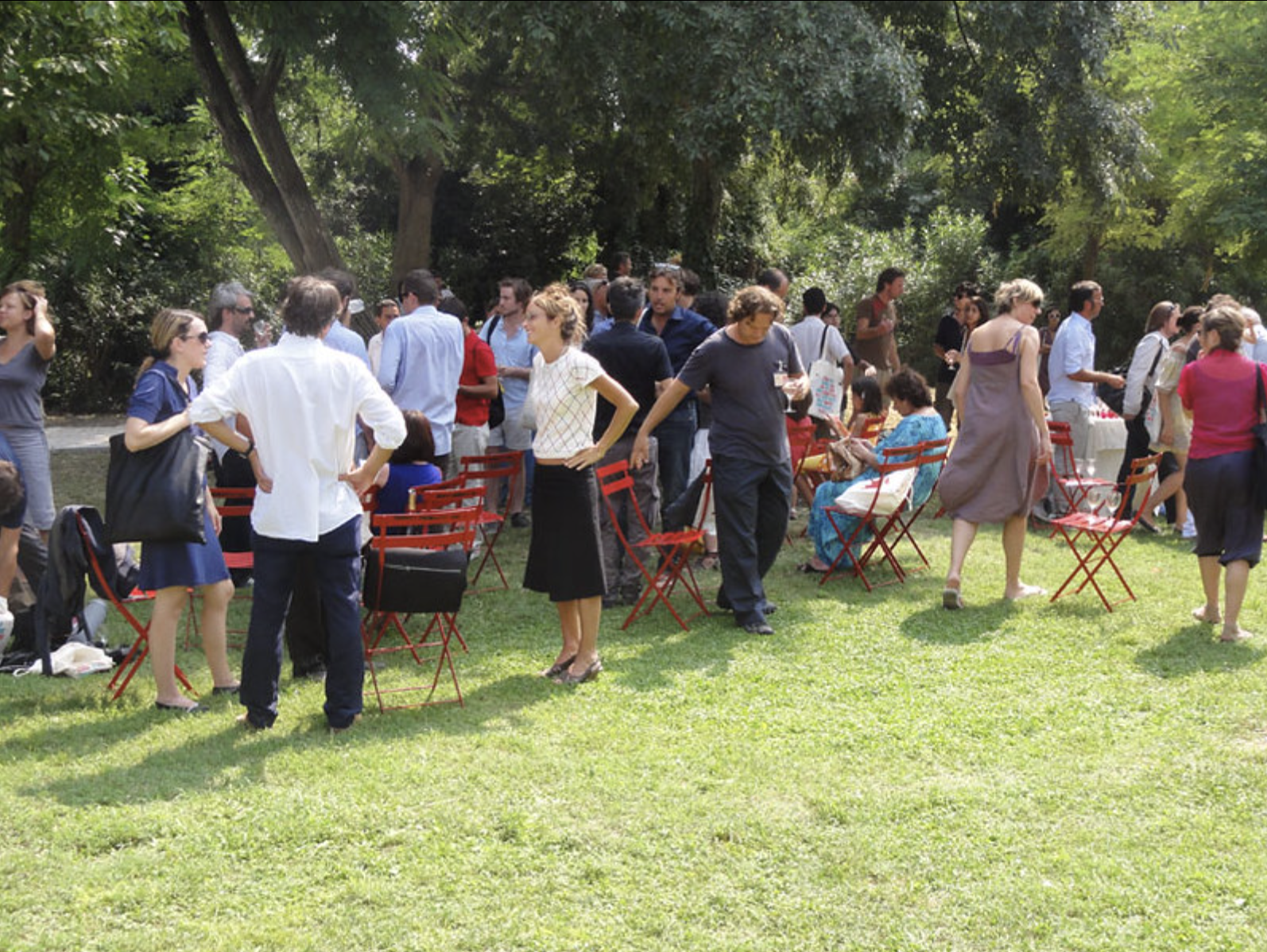
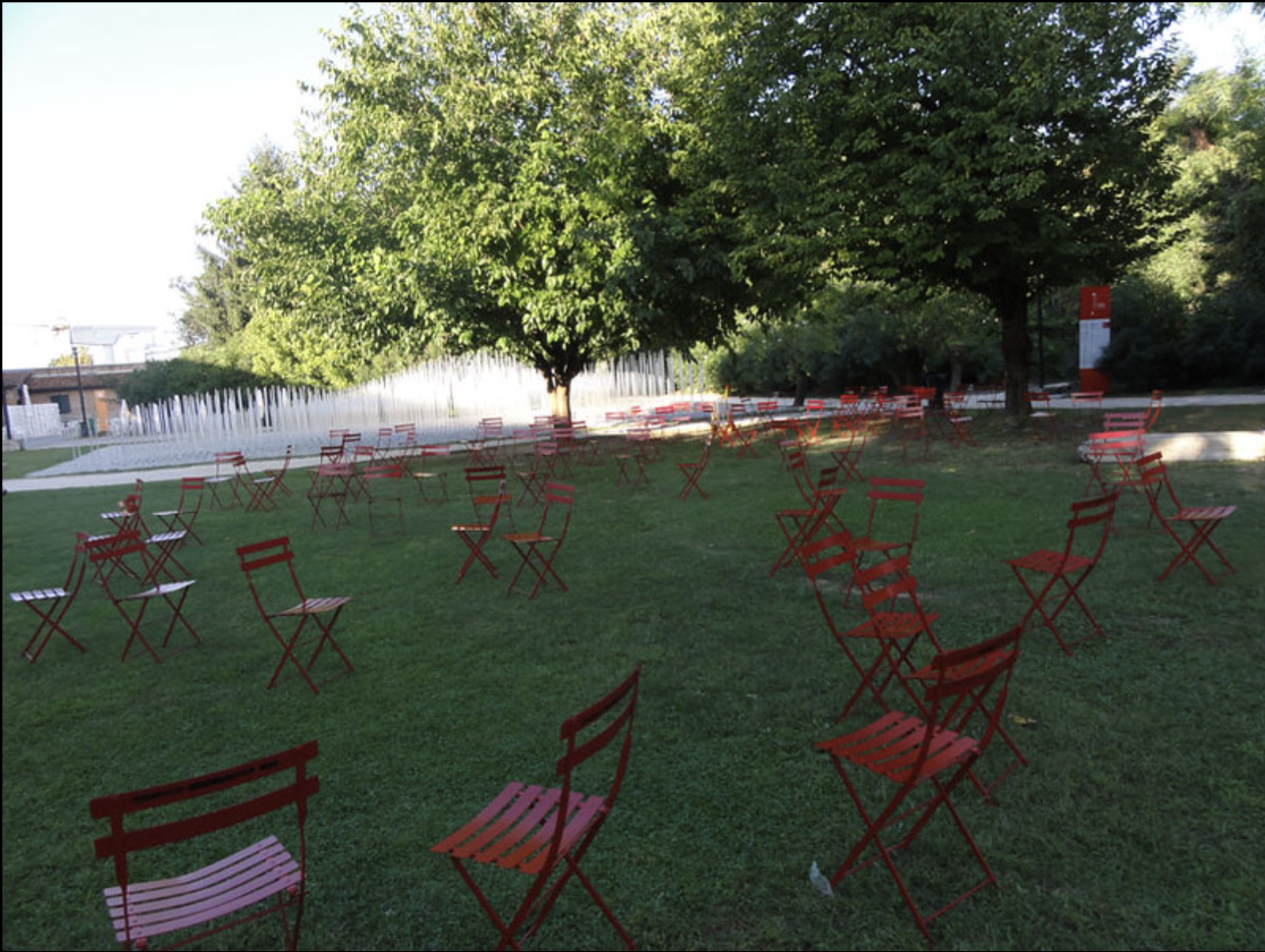
The experiment was brilliantly simple: 100 bright red, numbered park chairs. There were no fixed benches here; instead, the public was invited to dictate the choreography of the space. People dragged chairs into clusters for whispered conversations or faced them solitary toward the water's flow.
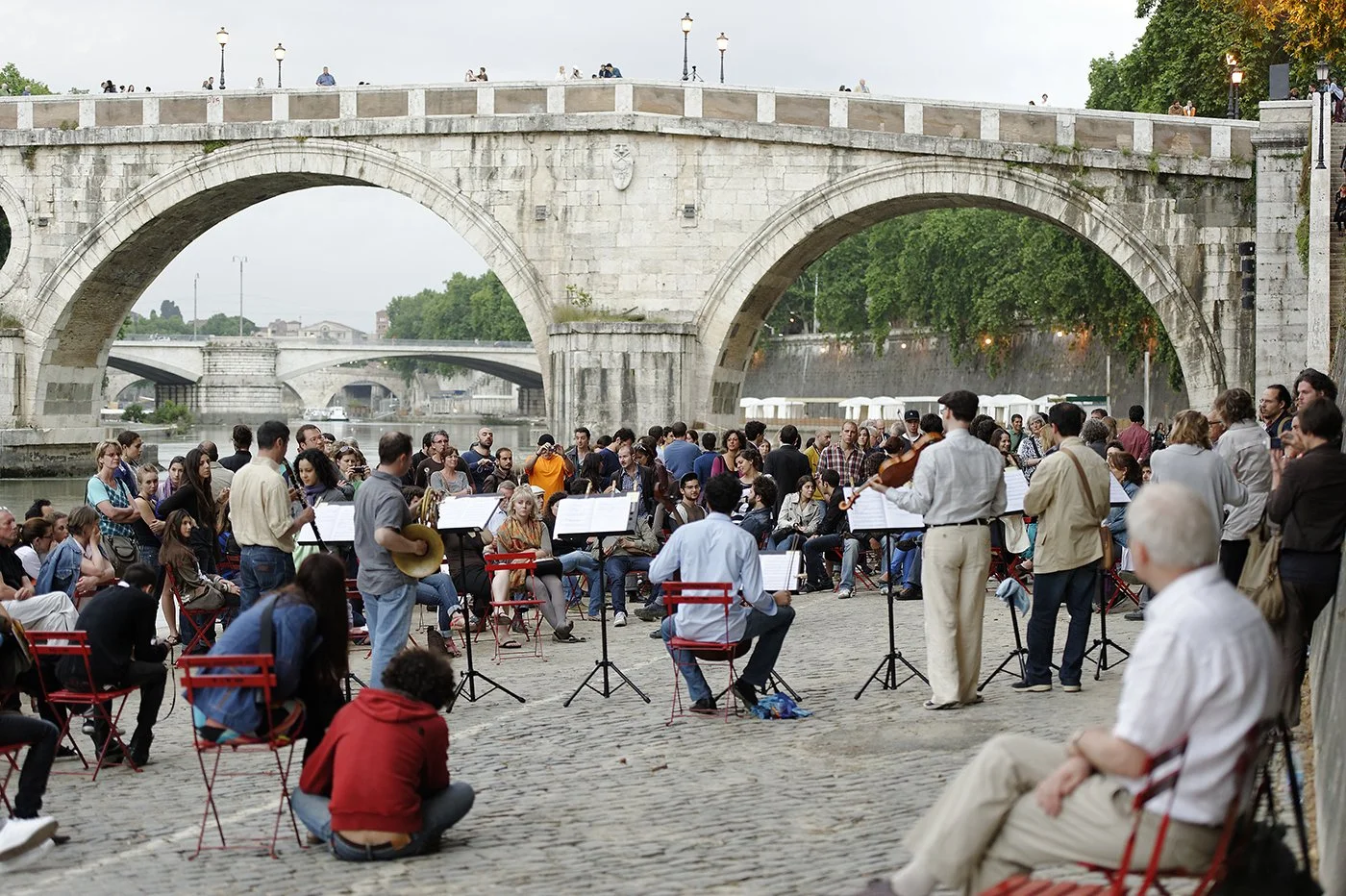
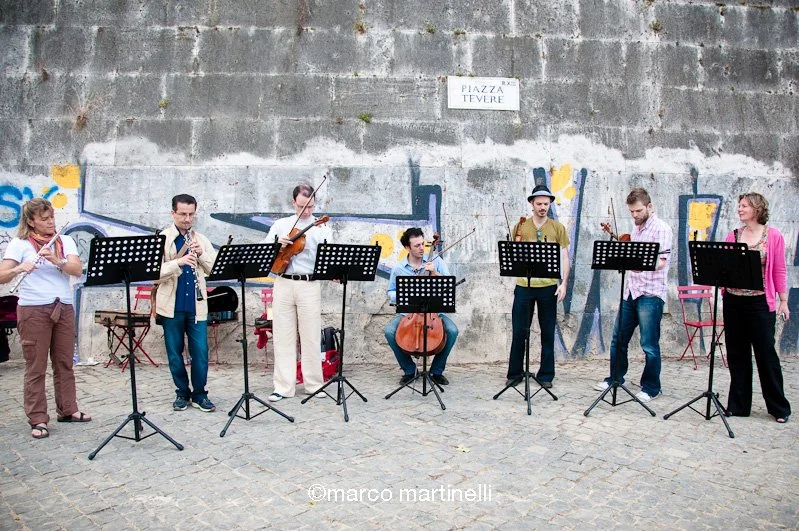
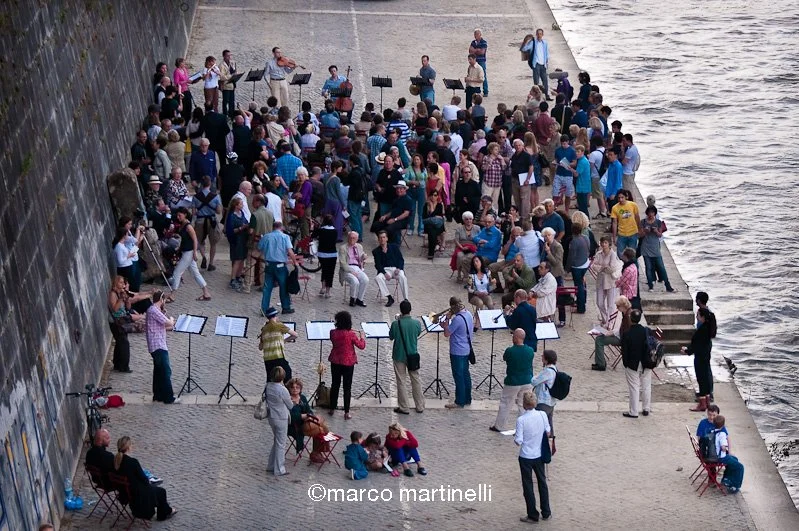
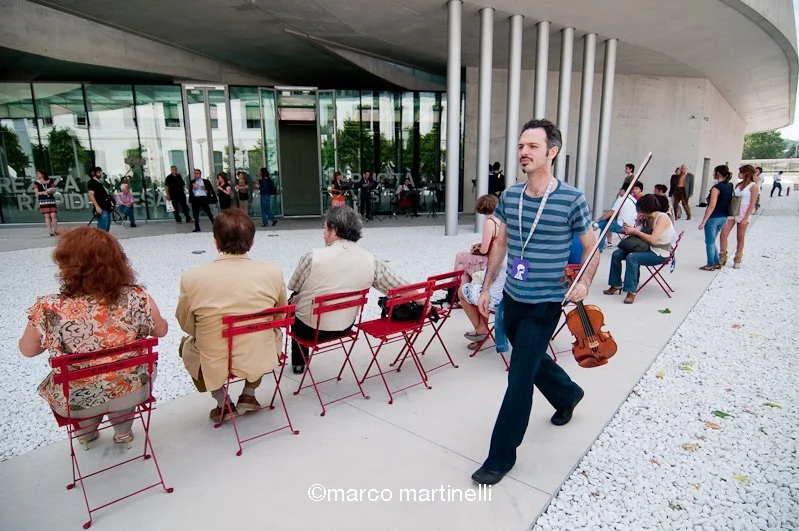
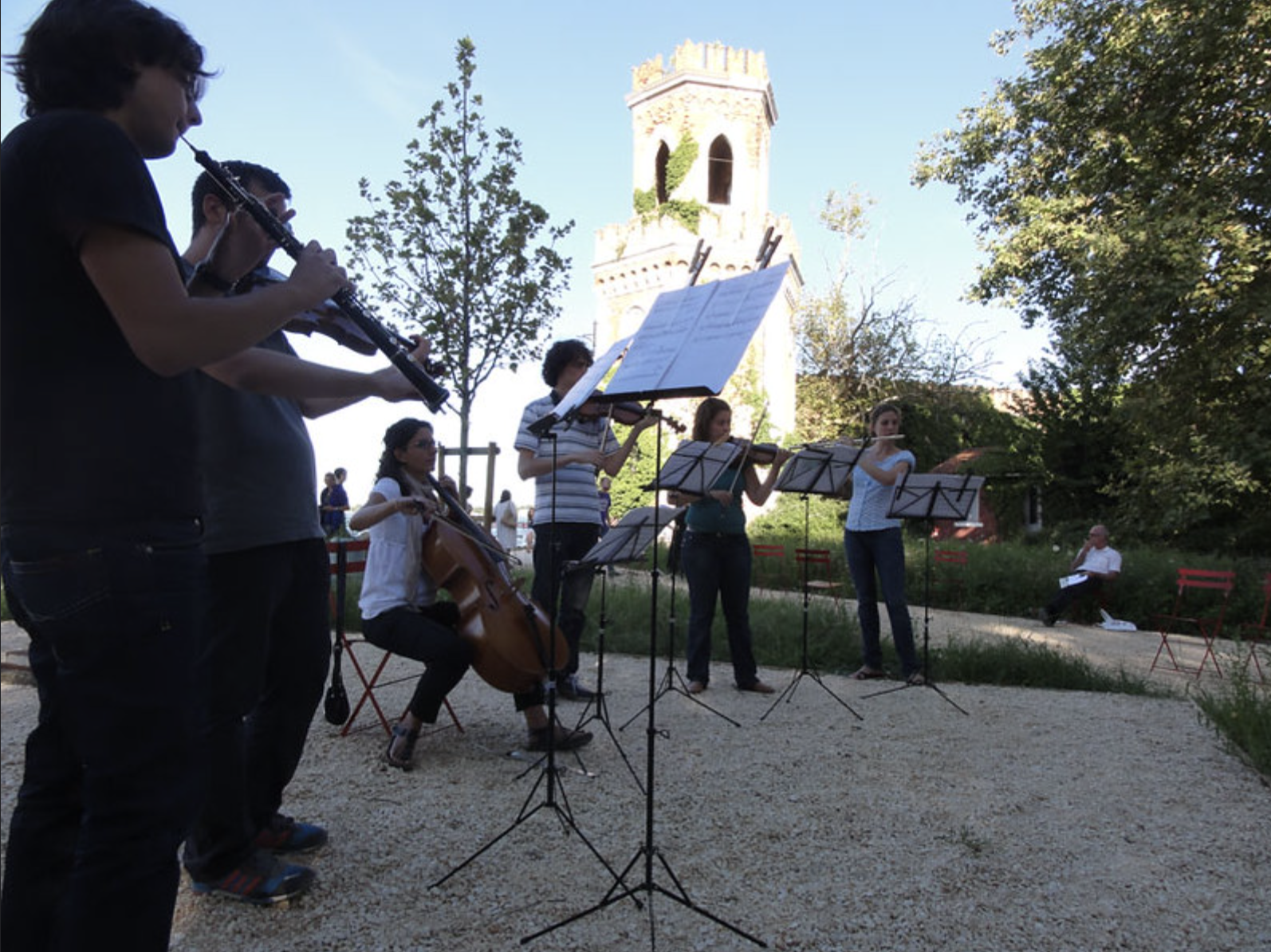
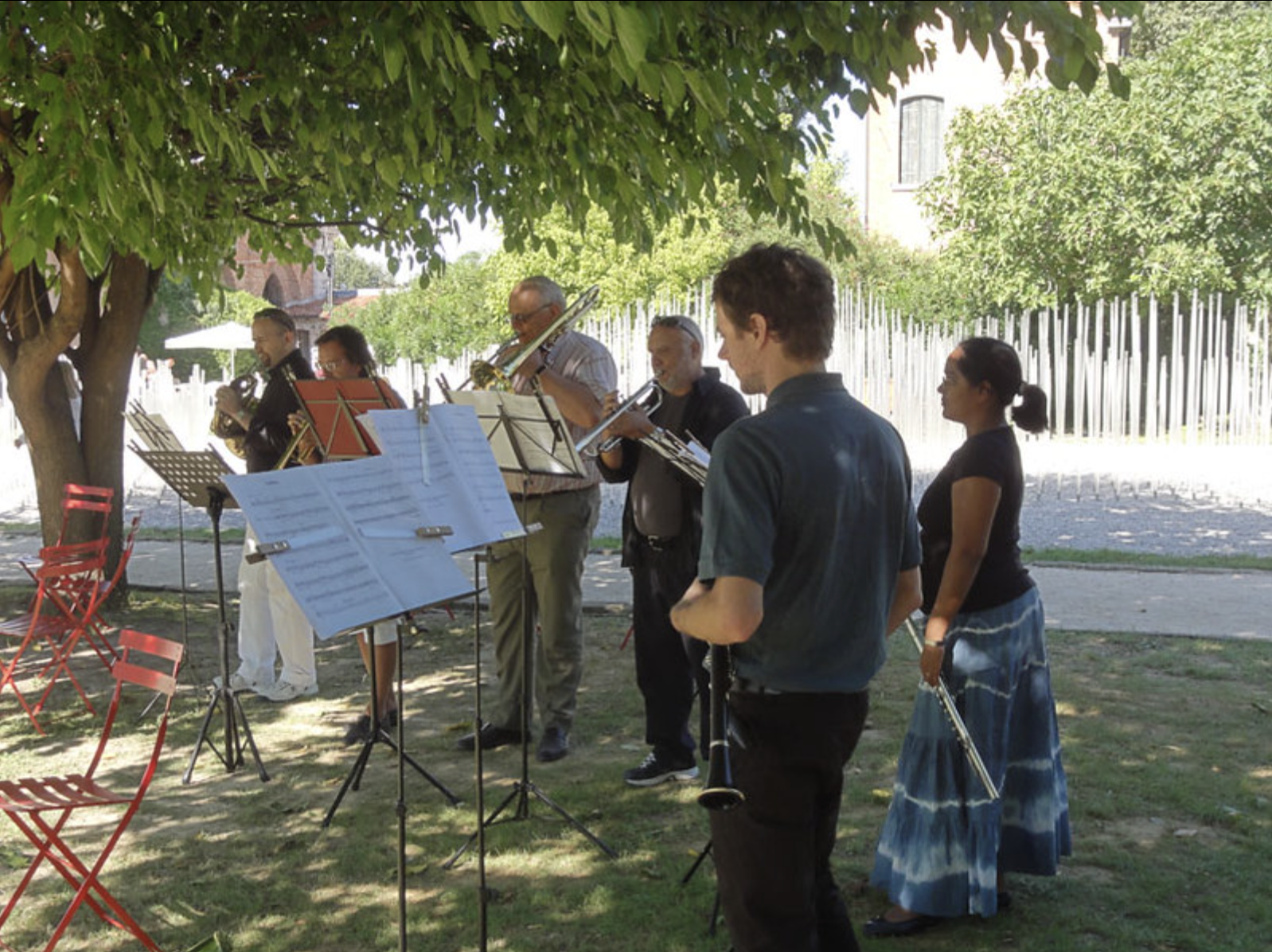
To complete this immersive experience, composer Lisa Bielawa created an experimental soundscape with musicians performing an ad hoc libretto. It was a playful, interactive experiment in how movable seating and music could "massage" life back into public spaces.
Video credit: Tevereterno
From the MAXXI to the Venice Biennale
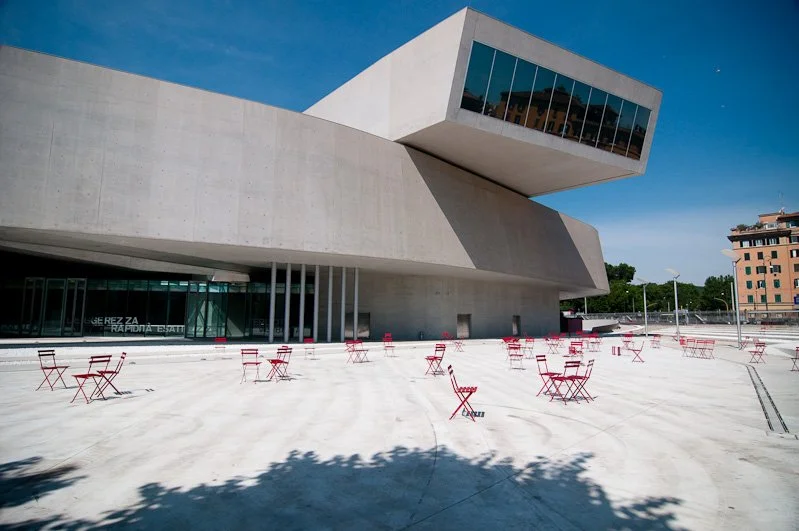
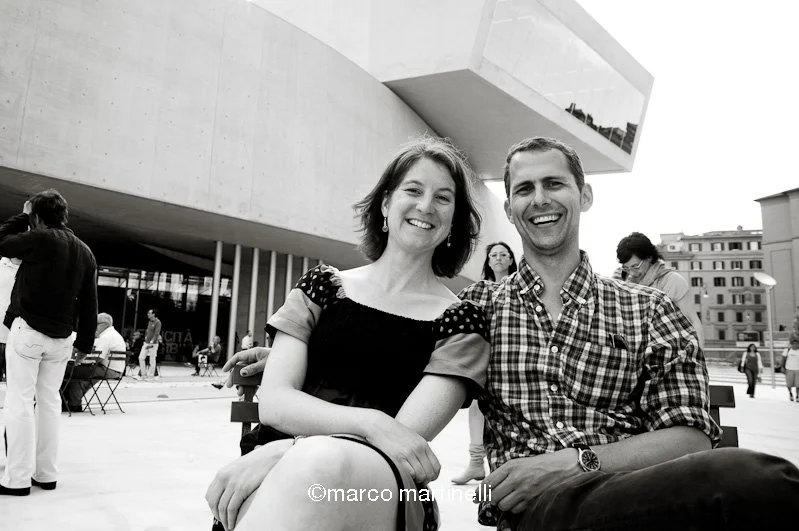
Before the project fully took root by the Tiber river, another "chance encounter" occurred: the grand opening of the MAXXI - National Museum of 21st Century Art in Rome. The team realized the museum’s debut was the perfect moment for a pop-up launch of Chance Encounter. This first public engagement served as a potent preview—a "chance encounter" for the art world that invited museum-goers to step inside the process of urban planning. The red chairs appeared in the museum's courtyard, inviting the first-ever visitors to interact with the space in a playful, unscripted way.
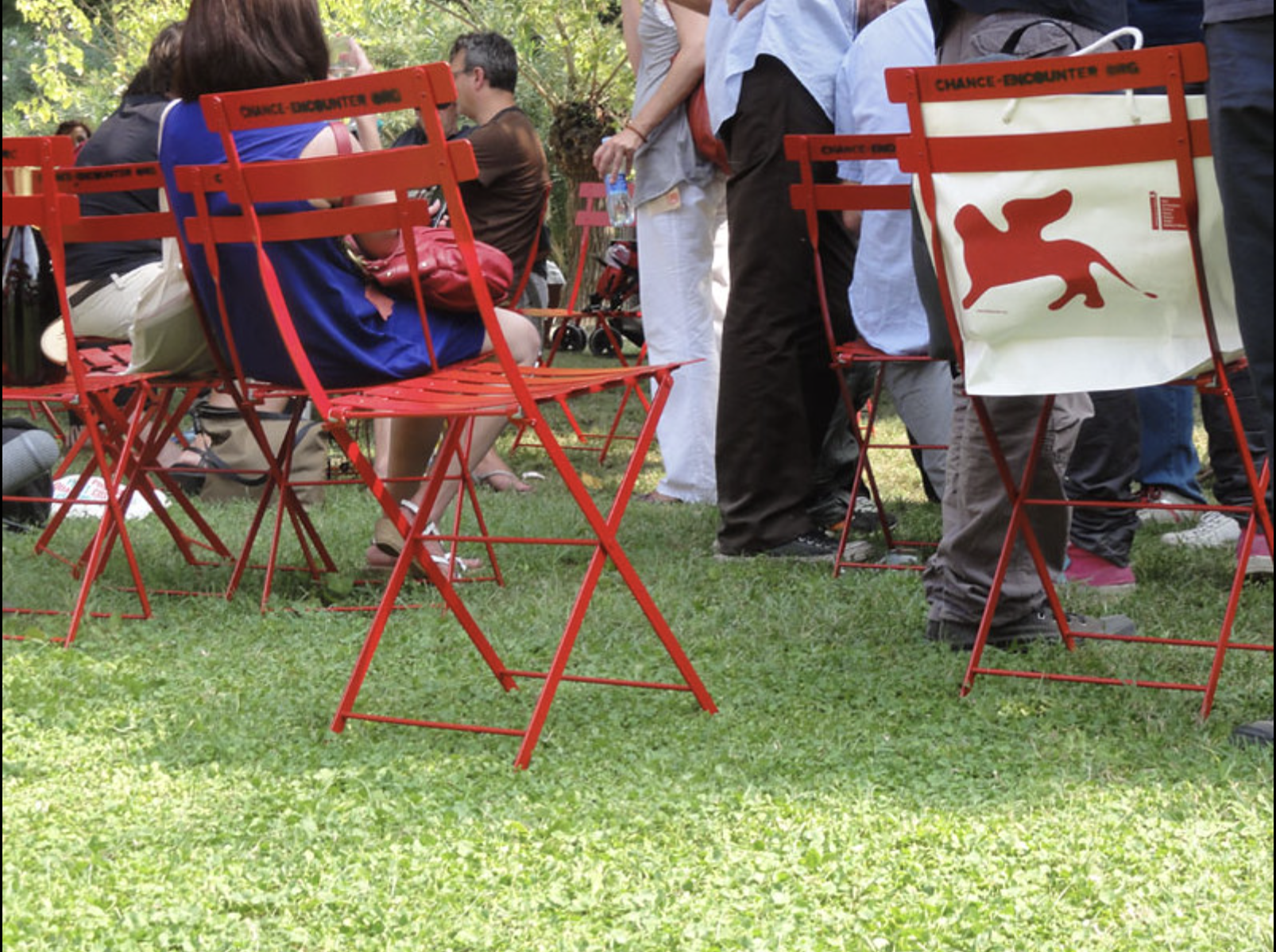
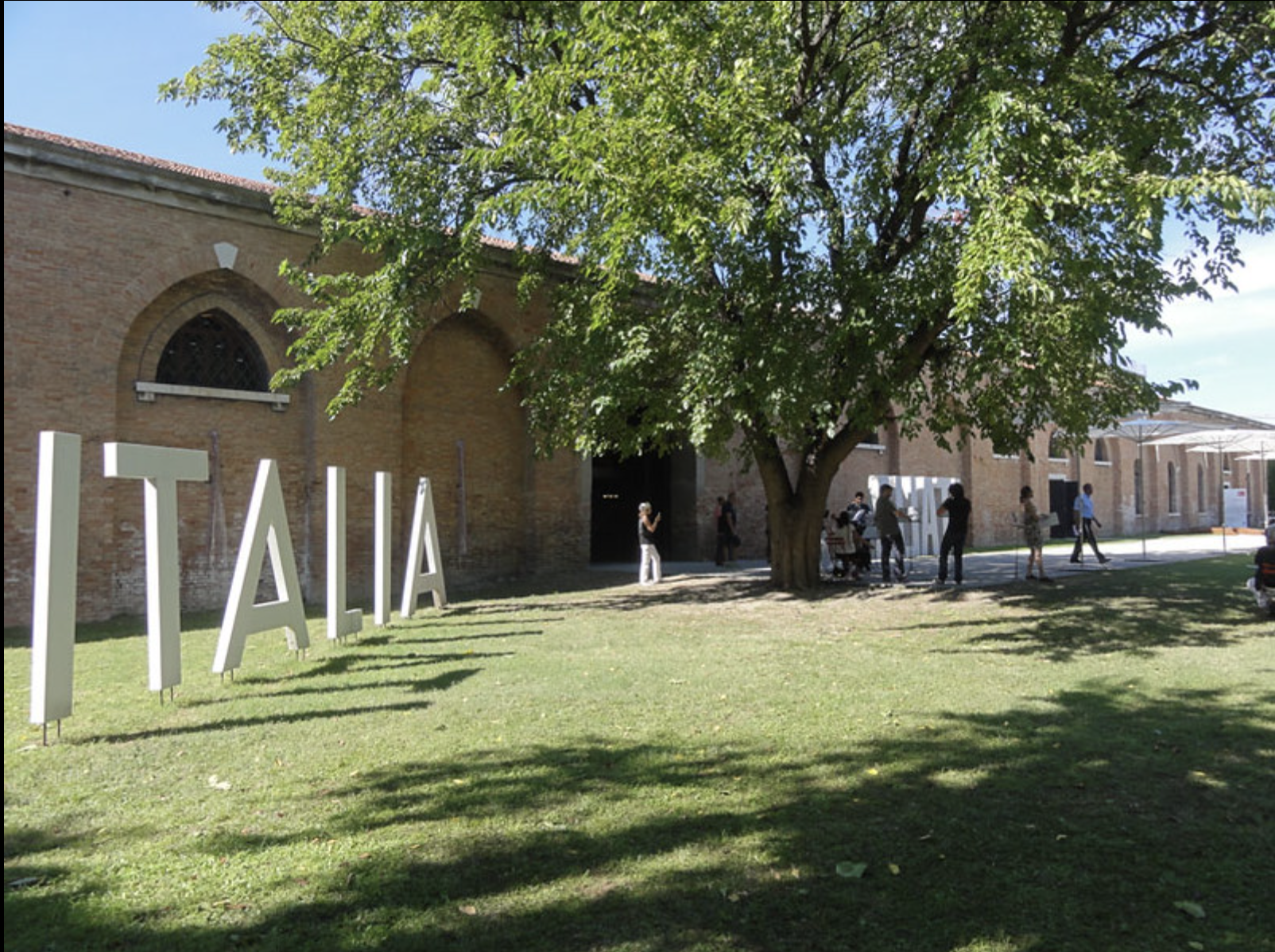
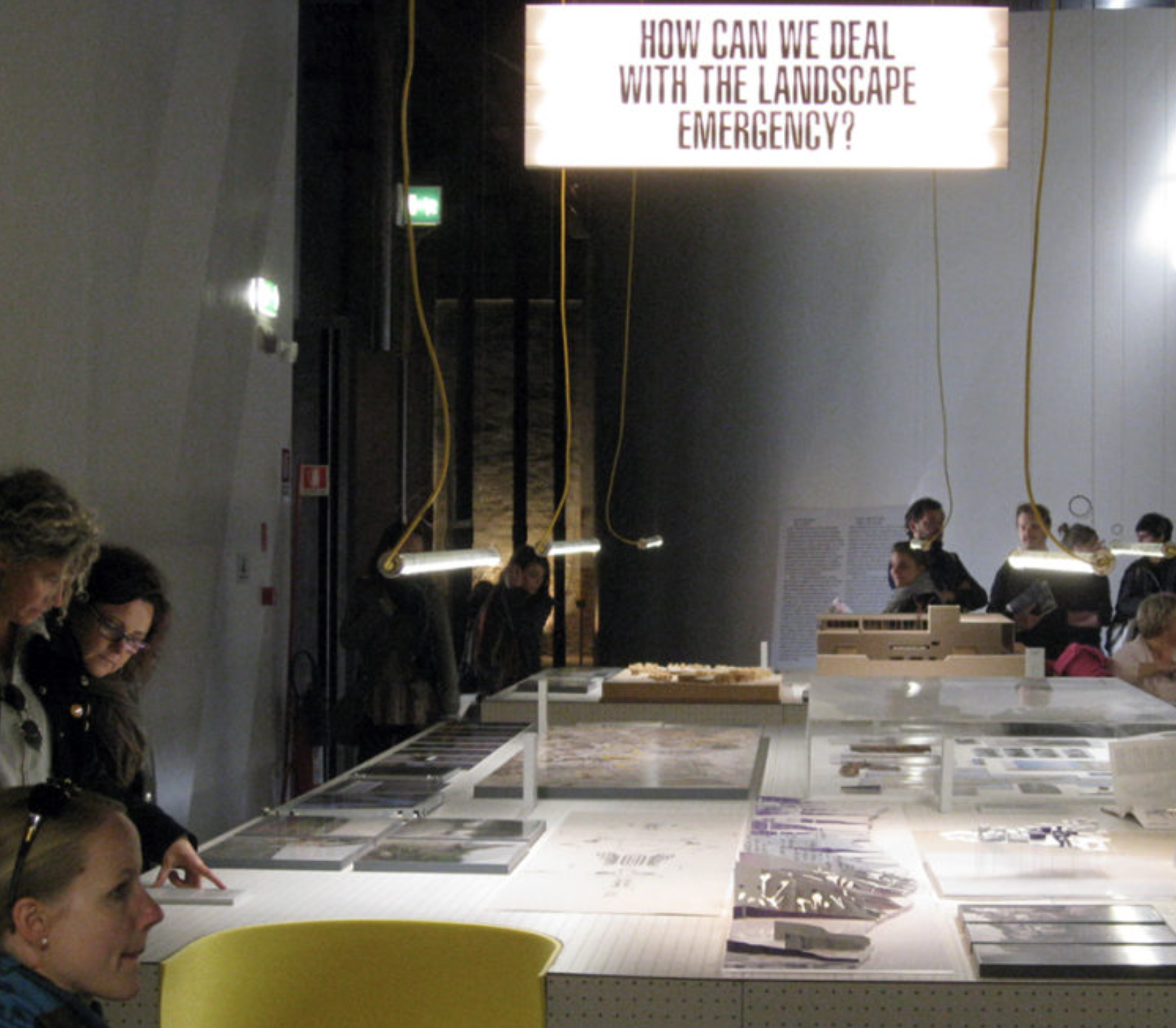
From the museum, the project was swept up to the Venice Architecture Biennale, featured as a cornerstone of the Italian Pavilion. Installed in the Giardino delle Vergini at the Arsenale, the 100 red chairs invited the international architecture community to rethink the future of urban renewal.
The Full Circle: The Piet Oudolf Connection
In Venice, the story reached its most poetic "chance encounter." The garden where the chairs were installed—a lush, wild sanctuary—was designed by Piet Oudolf, the Dutch master of the New Perennial movement.
In a twist of fate, Oudolf was the very landscape designer who had worked with Hammond on the High Line in New York. Thousands of miles from Manhattan, the red chairs found themselves resting in a garden designed by an old collaborator, as if the project had been waiting for him all along. It was the perfect full circle: a Roman dream, realized in a Venetian garden, linked to a New York icon—all because of a few people who happened to meet by chance.