WaterFire Roma
Lighting the Eternal City: The Rhythmic Ritual of WaterFire Roma
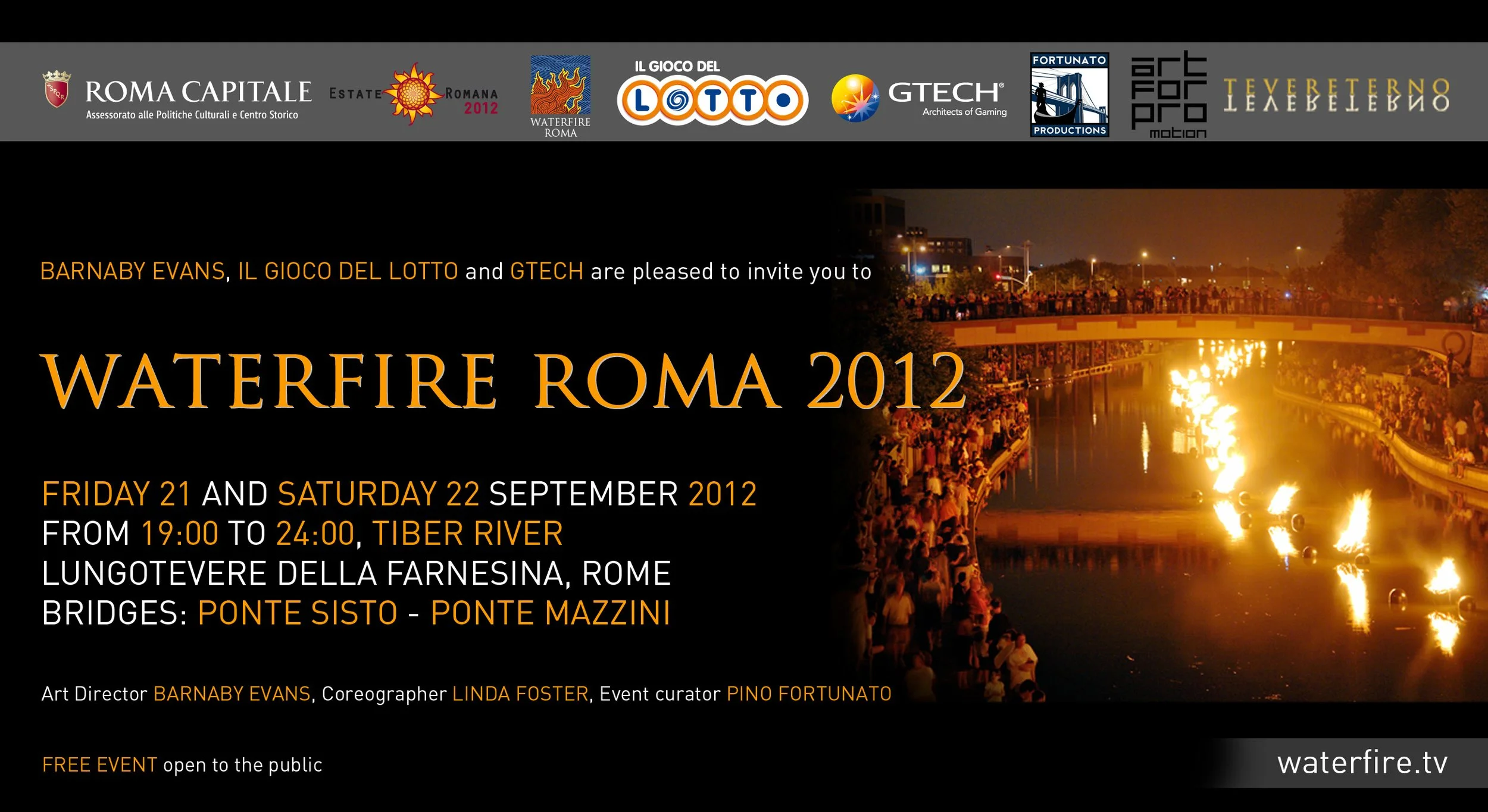
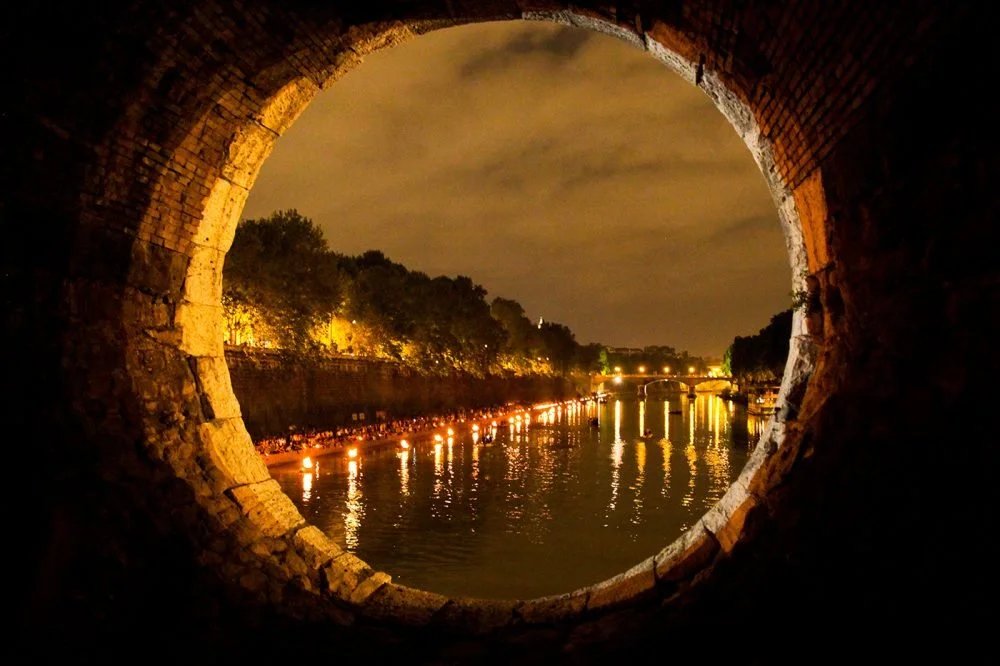
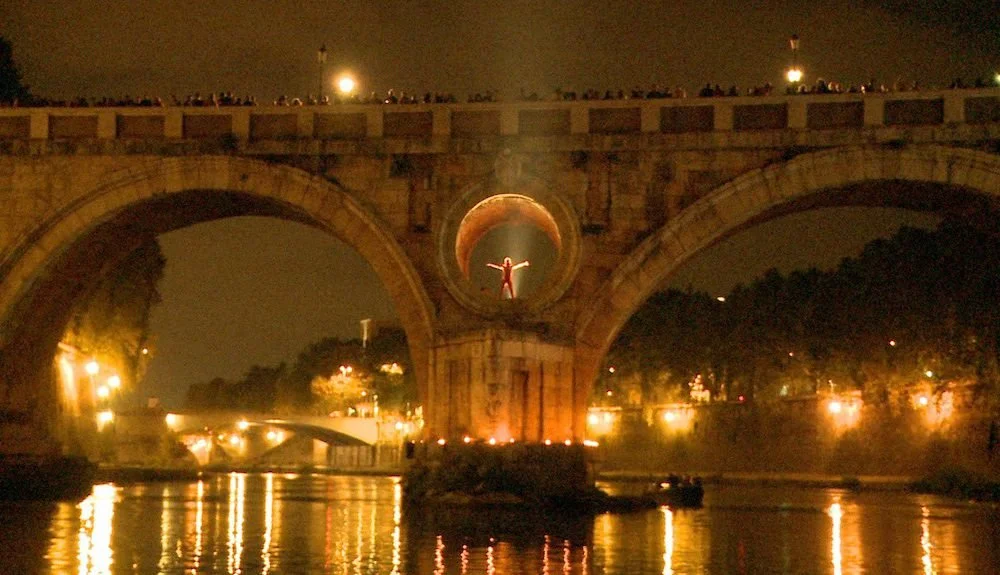
In the late summer of 2012, the neglected banks of the Tiber River were reclaimed by a primordial force. What was once a disused urban corridor was transformed into a flickering stage for WaterFire Roma, a landmark event that proved art is not just something to be viewed—it is something to be lived.
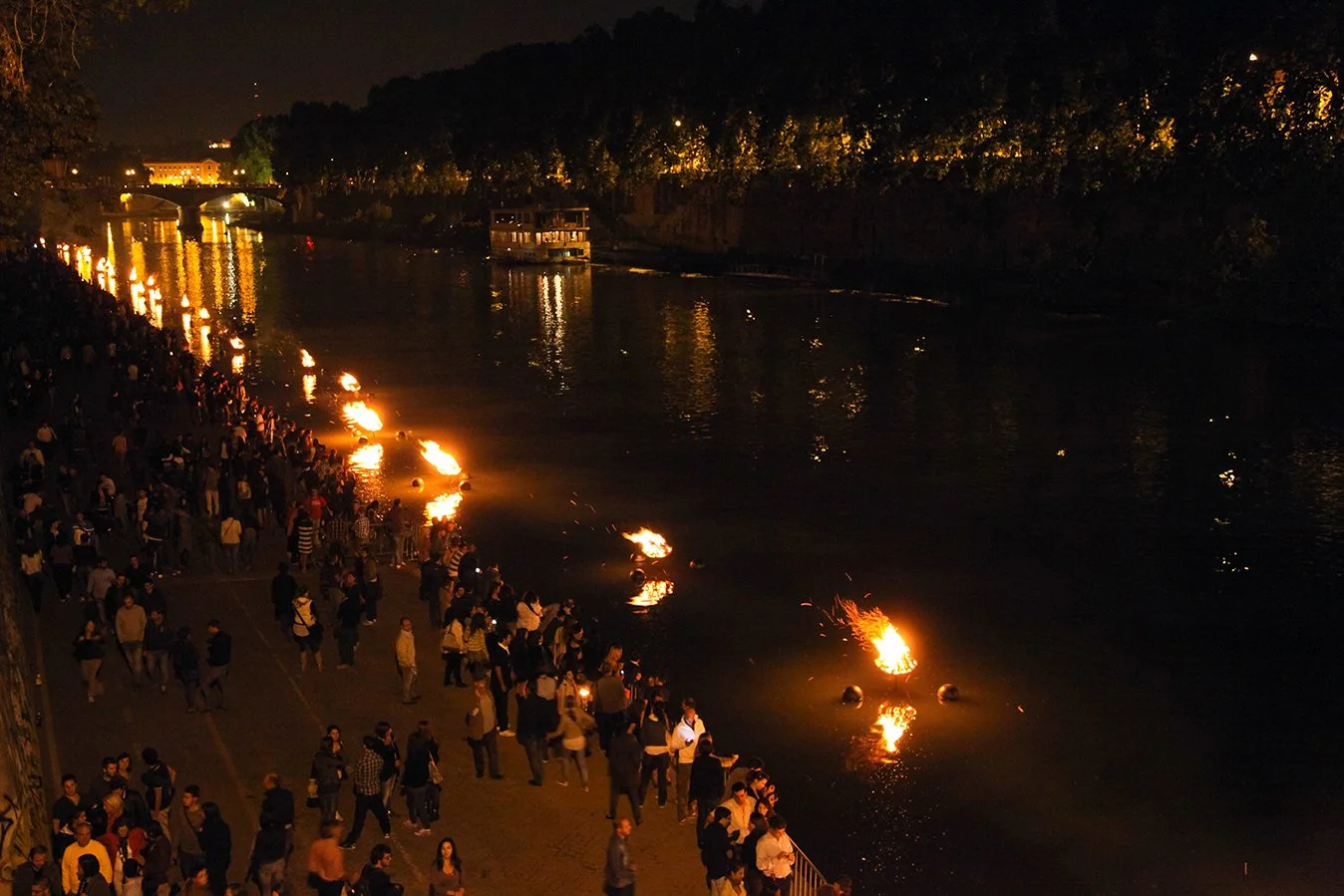
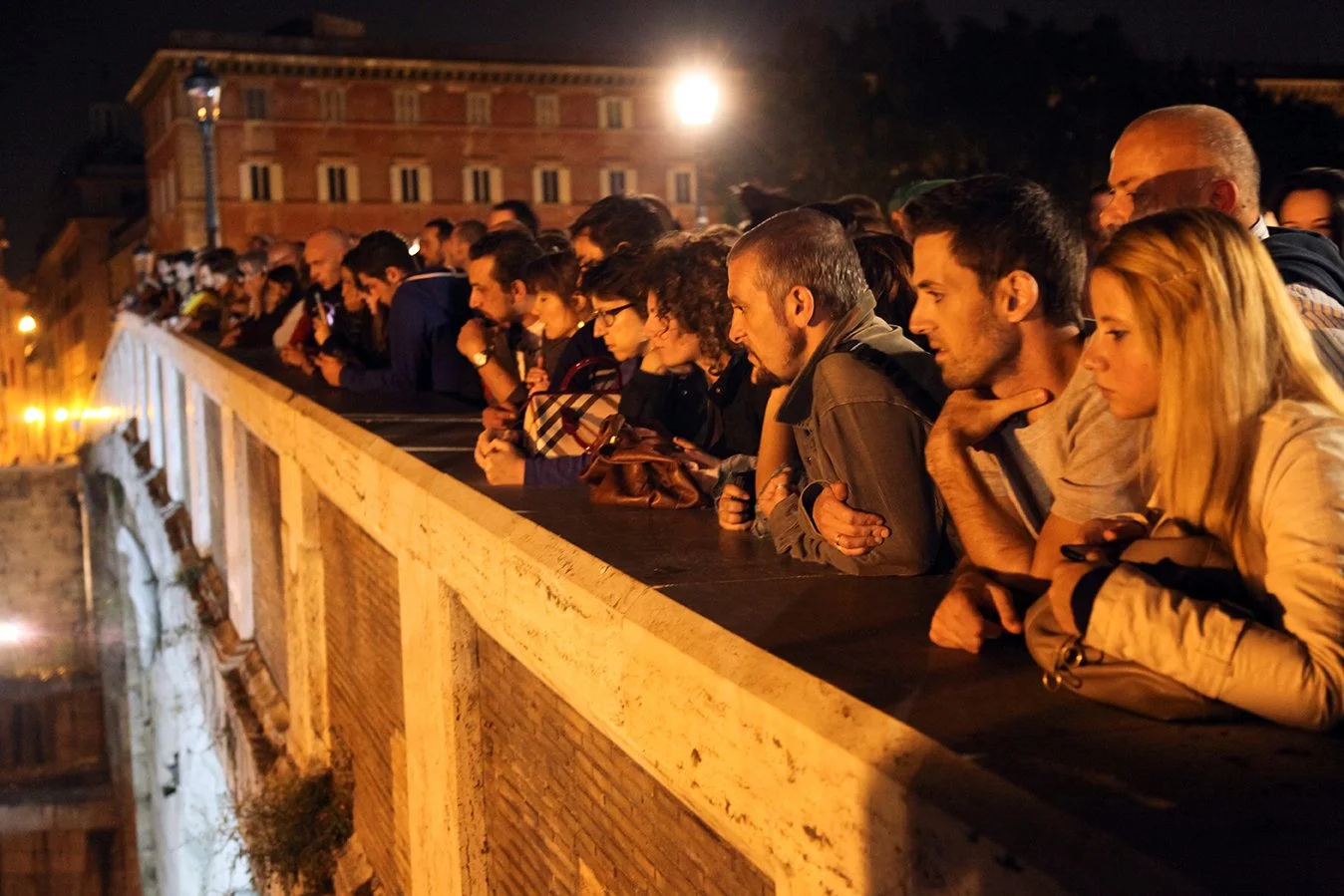
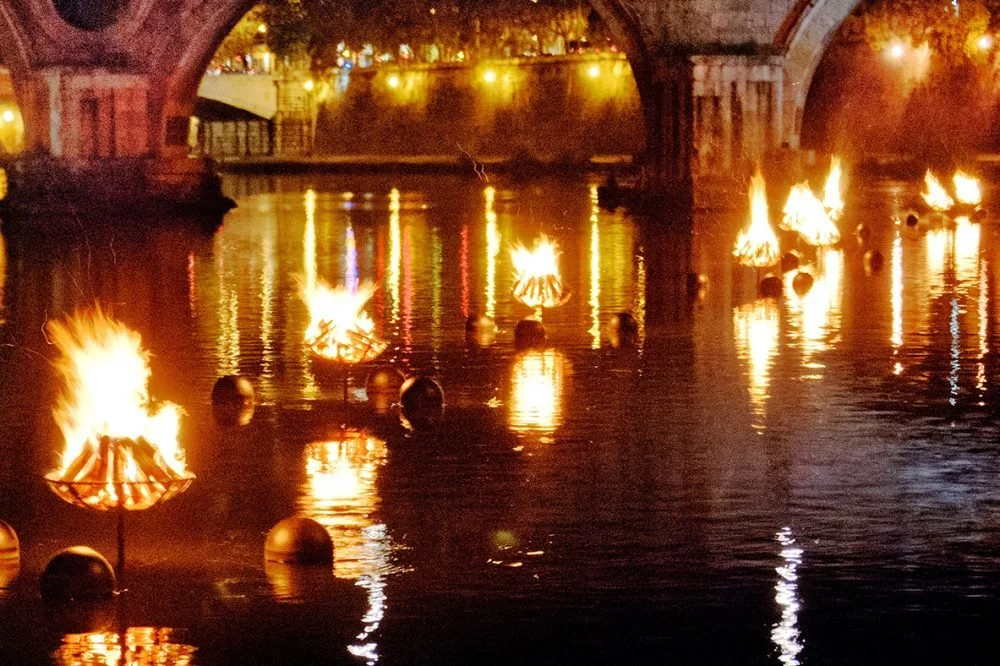
Originally created for Providence, Rhode Island, by Barnaby Evans, this urban ceremony arrived in Rome for a historic European debut. Produced by Fortunato Productions and Tevereterno for the Estate Romana, the event drew 10,000 people to the river's edge. From sunset to midnight, thirty floating bonfires turned the Tiber into a living stage, flickering with an energy both primordial and contemporary.
The Anatomy of an Urban Miracle
WaterFire is far more than a public installation; it is a multidisciplinary fusion of environmental theater and contemporary ritual.
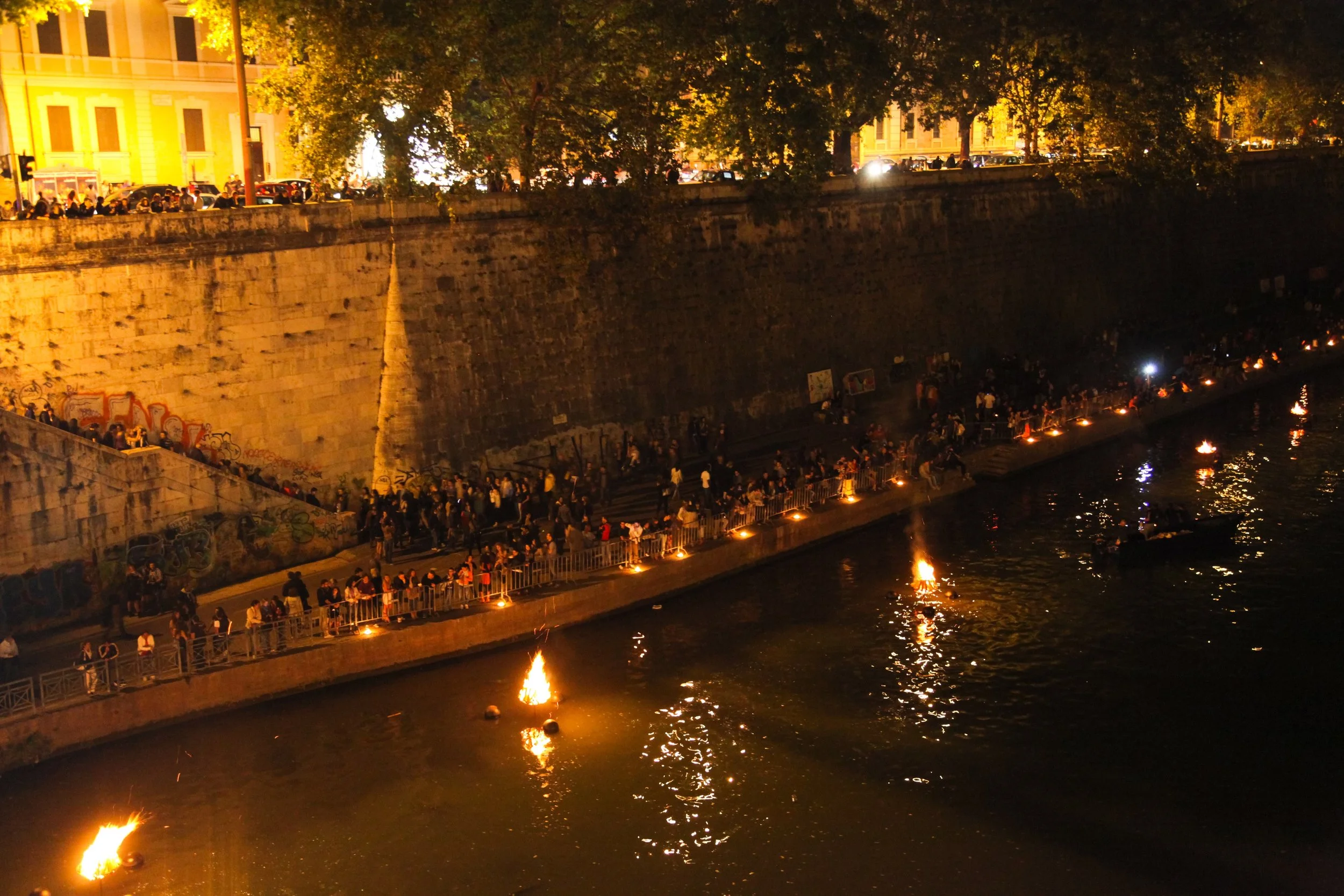
Scale & Scope: Thirty custom-fabricated bonfires drifted along the Tiber, their flames reflecting off the ancient stone walls of the city.
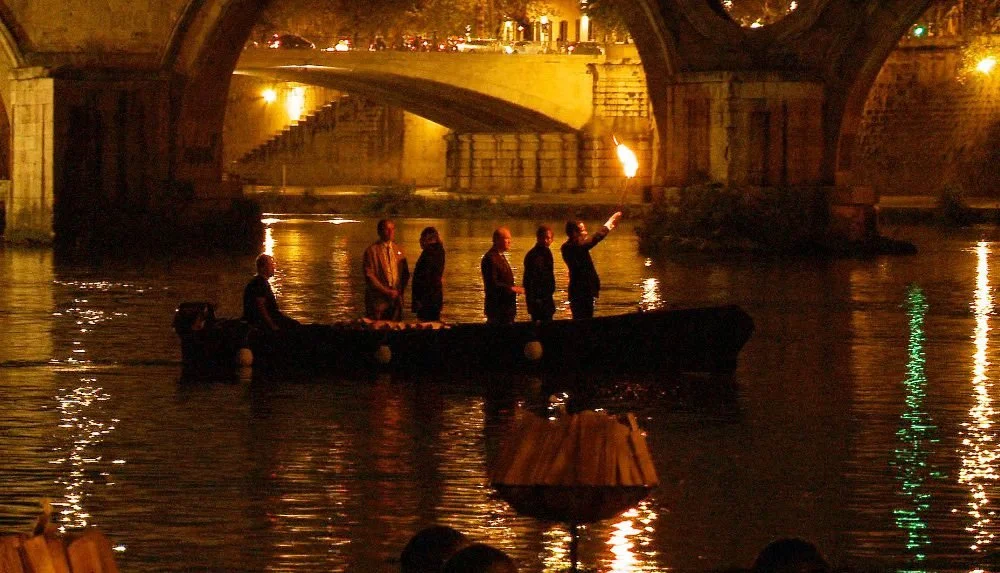
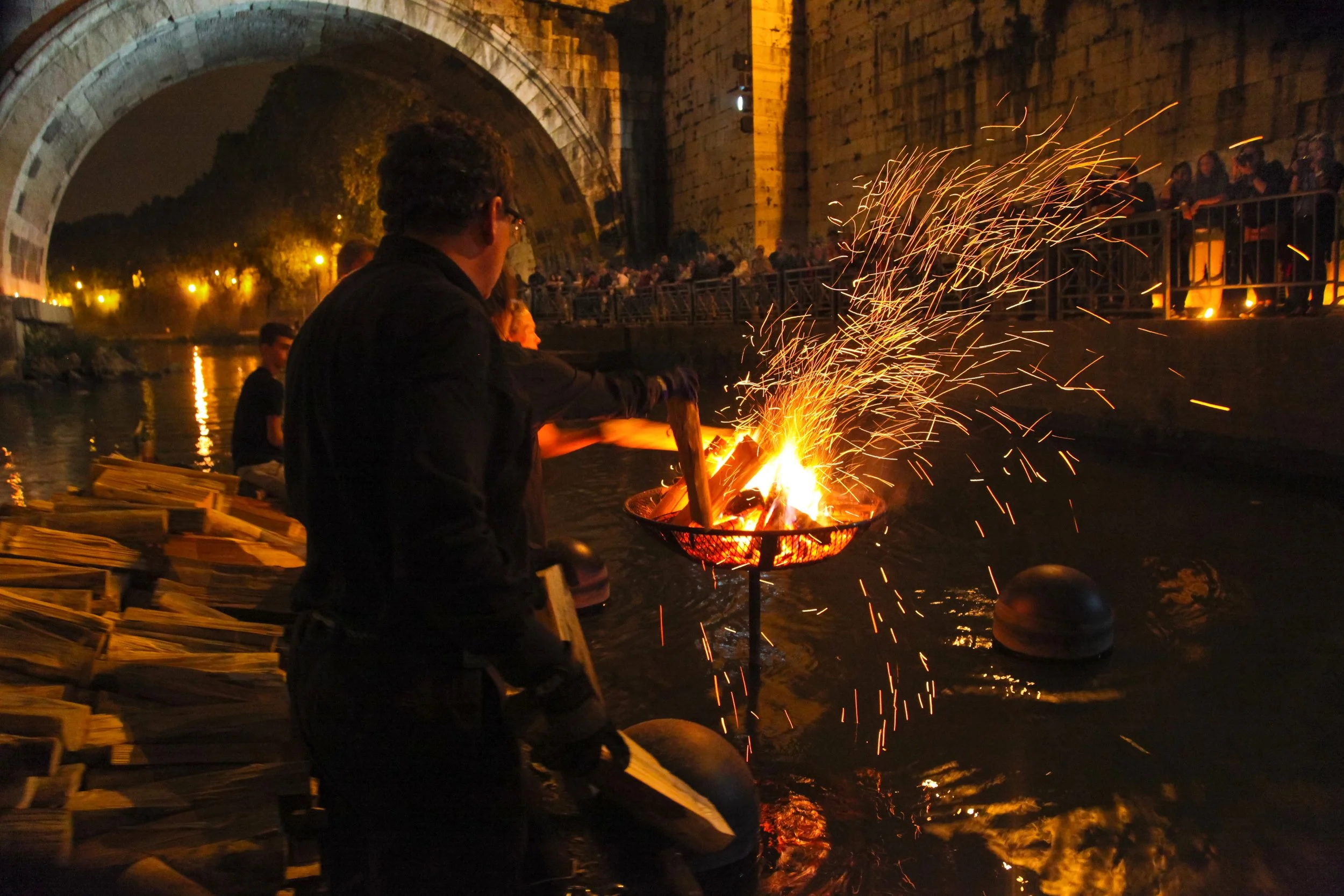
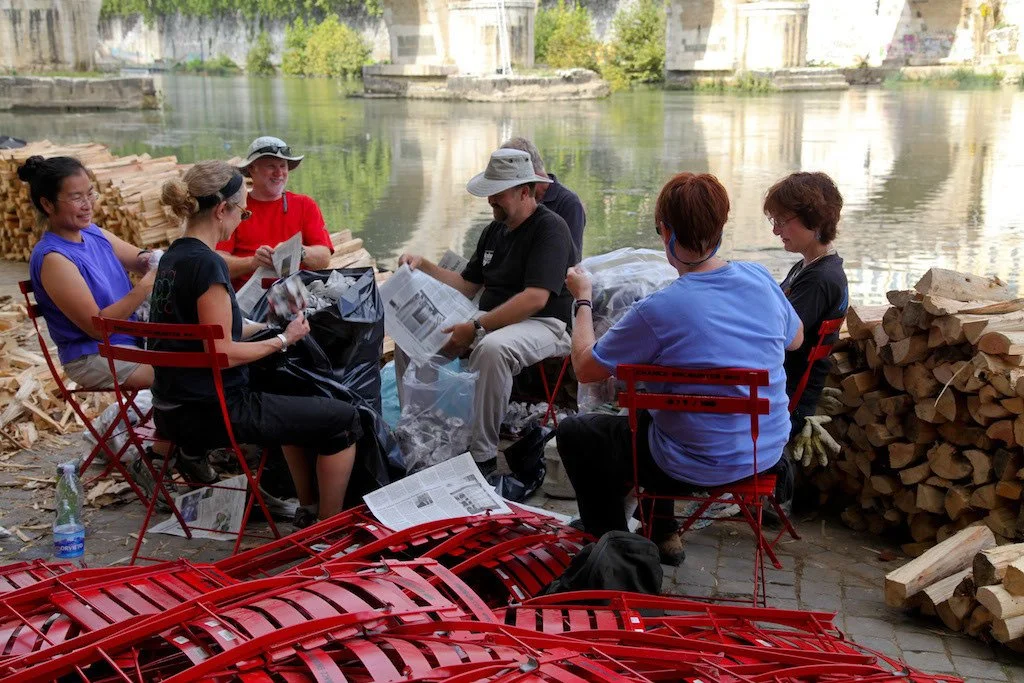
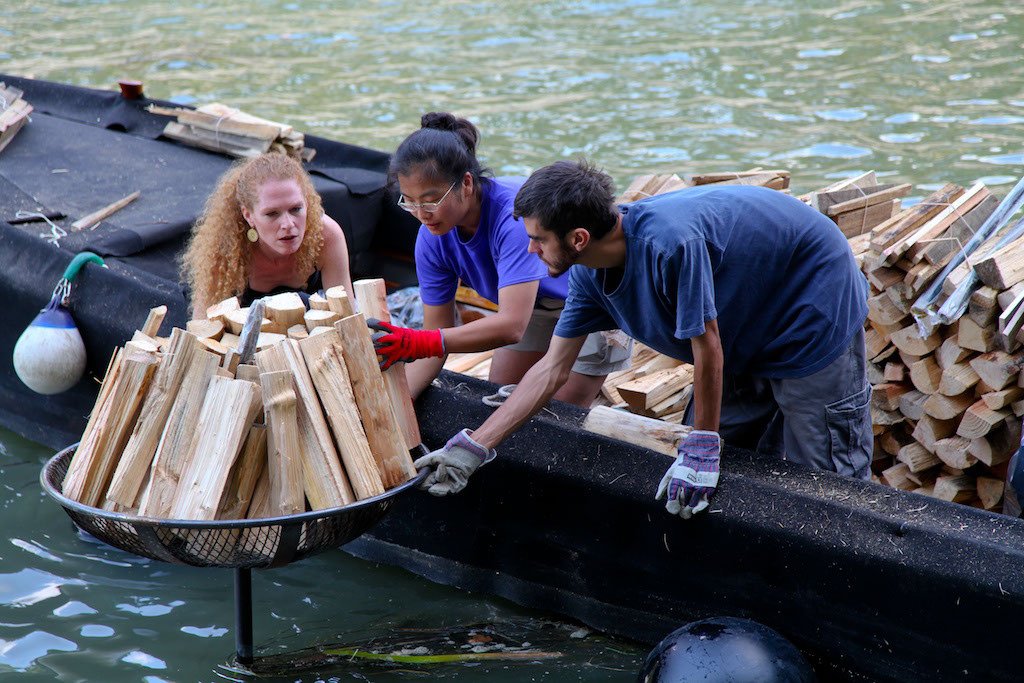
Performative Volunteerism: In a unique twist on logistics, a binational team of volunteers operated gondolas to manually refill the braziers throughout the night. This rhythmic, all-night labor was choreographed as a "living performance," turning the essential work of the event into an integral part of the artistic spectacle.
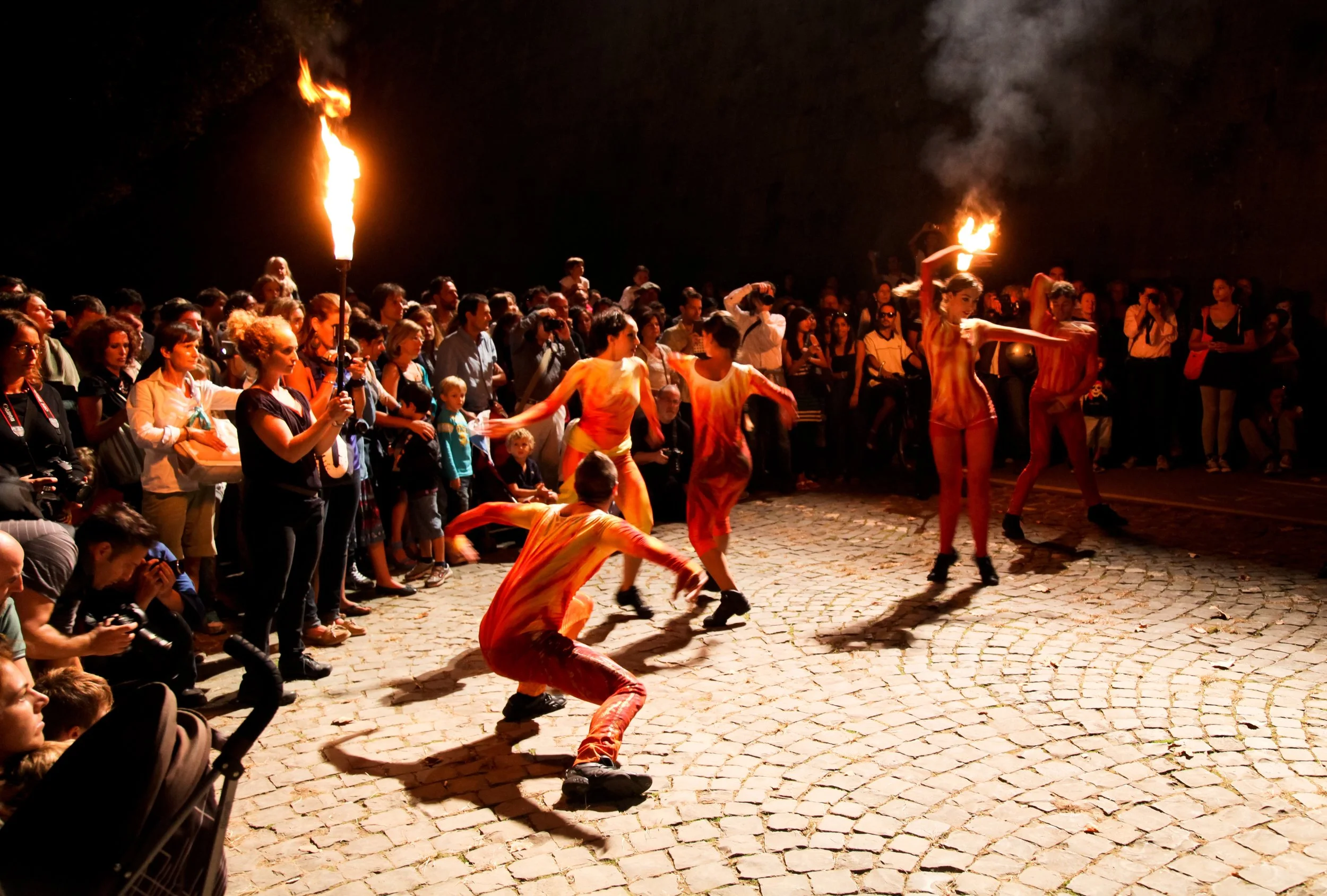
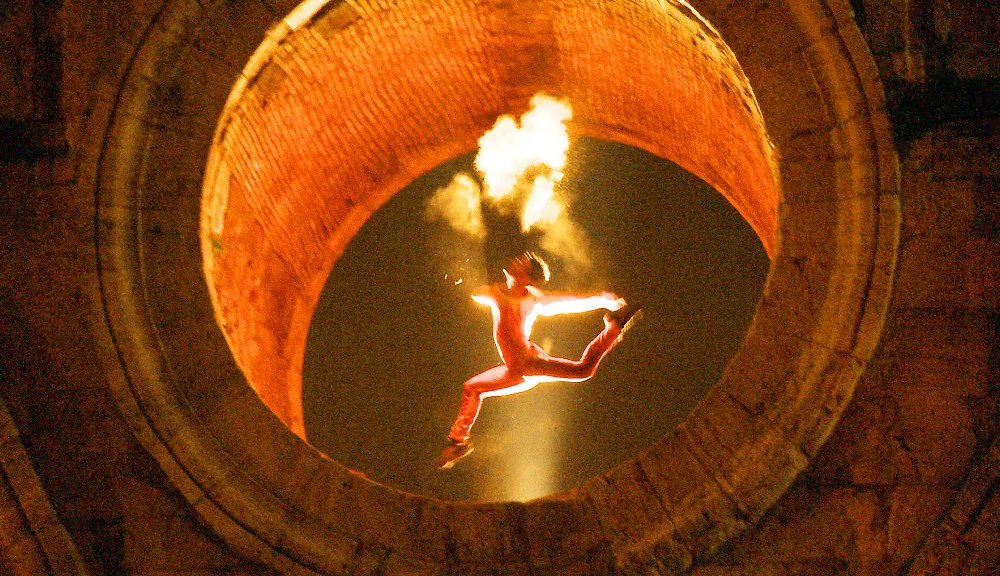
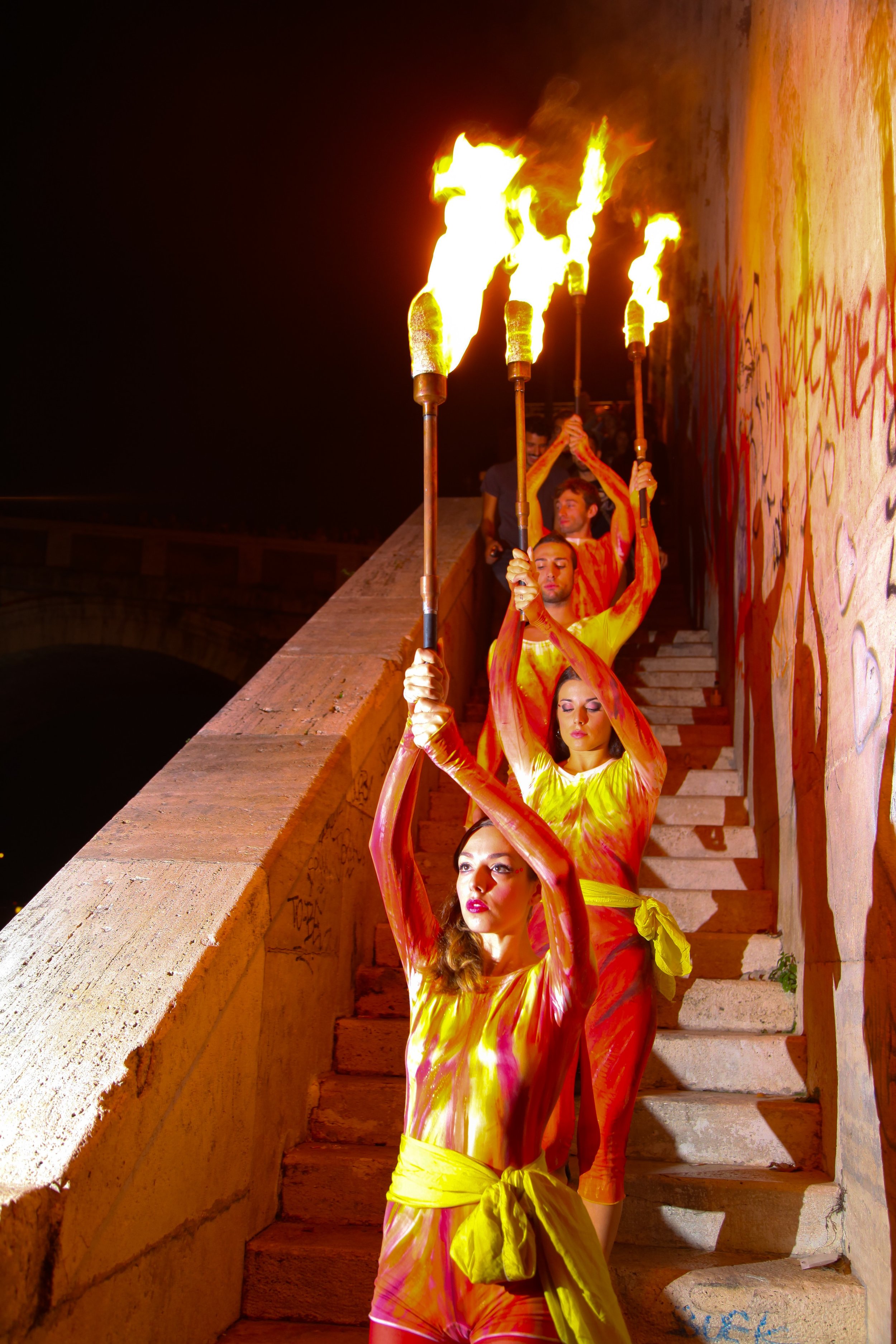
The Experience: Accompanied by synchronized musical scores and the site-specific environmental theater of Linda Foster’s Moveable Space, the event tapped into a deep, human need for collective sharing.
At its core, WaterFire operates on something deeper than spectacle. It taps into a shared human instinct—the pull of firelight, the calm of water, the desire to gather.
From Spectators to Protagonists
The true success of WaterFire Roma lay in its power to activate the public. By reviving Robert Hammond’s Chance Encounter installation—placing 100 iconic red chairs along the waterfront—the project invited Romans to sit, stay, and engage with a river they had long overlooked.
Through this deep community engagement, the public transitioned from passive observers to active protagonists in a shared urban revival. The flickering flames created an enchanted atmosphere of peace, proving that bold artistic intervention can breathe new life into abandoned waterways, turning them into the beating heart of a city’s cultural identity.
"It was a suggestive contemporary tribal ritual—a moment where water and fire brought a community together to reclaim their own history."
Credits & Legacy
This ambitious two-night program was made possible by the dedicated work of dozens of volunteers and the generous support of the City of Rome, GTECH, Lottomatica Group, Il Gioco del Lotto, and the De Agostini Group. Though the fires have long since dimmed, the blueprint for international placemaking established that weekend remains a guiding light for urban regeneration projects worldwide.
Press